%2Ffit-in%2F250x250%2Fguide_websites%2F119894%2Fimages%2F1772067334614upriverangler.png&w=1920&q=100)
/users/ea4215c4-27f0-4be4-9563-a4f67acf6b41/ratecard/561374356_17864792112471018_1996551715329318245_n-mm2pcp1e.jpg)
%2F300x300%2Fusers%2Fea4215c4-27f0-4be4-9563-a4f67acf6b41%2Fratecard%2F561374356_17864792112471018_1996551715329318245_n-mm2pcp1e.jpg&w=256&q=75)
%2F300x300%2Fusers%2Fea4215c4-27f0-4be4-9563-a4f67acf6b41%2Fimages%2Fsaint-croix-falls-fishing-boat-2319.jpg&w=256&q=75)
%2F300x300%2Fusers%2Fea4215c4-27f0-4be4-9563-a4f67acf6b41%2Fimages%2Fsaint-croix-falls-brown-trout-2651.jpg&w=256&q=75)
%2F300x300%2Fusers%2Fea4215c4-27f0-4be4-9563-a4f67acf6b41%2Fimages%2Fsaint-croix-falls-stream-fishing-2483.jpg&w=256&q=75)
%2F300x300%2Fusers%2Fea4215c4-27f0-4be4-9563-a4f67acf6b41%2Fimages%2Fsaint-croix-falls-fishing-river-2389.jpg&w=256&q=75)
%2F300x300%2Fusers%2Fea4215c4-27f0-4be4-9563-a4f67acf6b41%2Fimages%2Fchain-pickerel-saint-croix-falls-2570.jpg&w=256&q=75)
%2F300x300%2Fusers%2Fea4215c4-27f0-4be4-9563-a4f67acf6b41%2Fimages%2Fnorthern-pike-saint-croix-falls-2513.jpg&w=256&q=75)
%2F300x300%2Fusers%2Fea4215c4-27f0-4be4-9563-a4f67acf6b41%2Fimages%2Fsaint-croix-falls-muskellunge-catch-2714.jpeg&w=256&q=75)
%2F300x300%2Fusers%2Fea4215c4-27f0-4be4-9563-a4f67acf6b41%2Fimages%2Fbass-catch-saint-croix-falls-2803.jpeg&w=256&q=75)
%2F300x300%2Fusers%2Fea4215c4-27f0-4be4-9563-a4f67acf6b41%2Fimages%2Fsaint-croix-falls-northern-pike-2712.jpeg&w=256&q=75)
%2F300x300%2Fusers%2Fea4215c4-27f0-4be4-9563-a4f67acf6b41%2Fimages%2Fbrook-trout-wisconsin-fishing-2514.jpg&w=256&q=75)
Fall Muskie Pike Float Trips Upriver Anglers WI
 St. Croix River
What you will be catching:
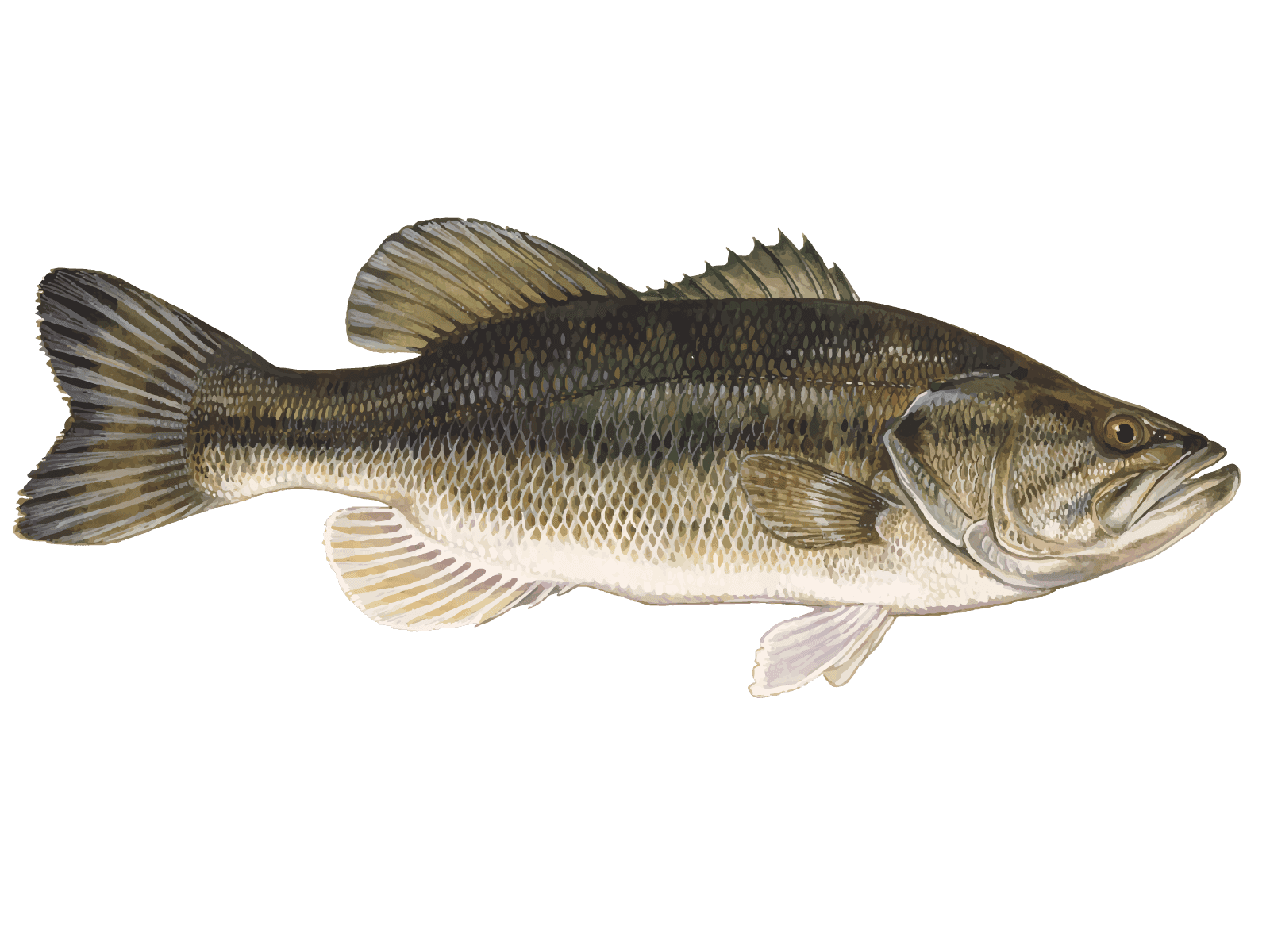
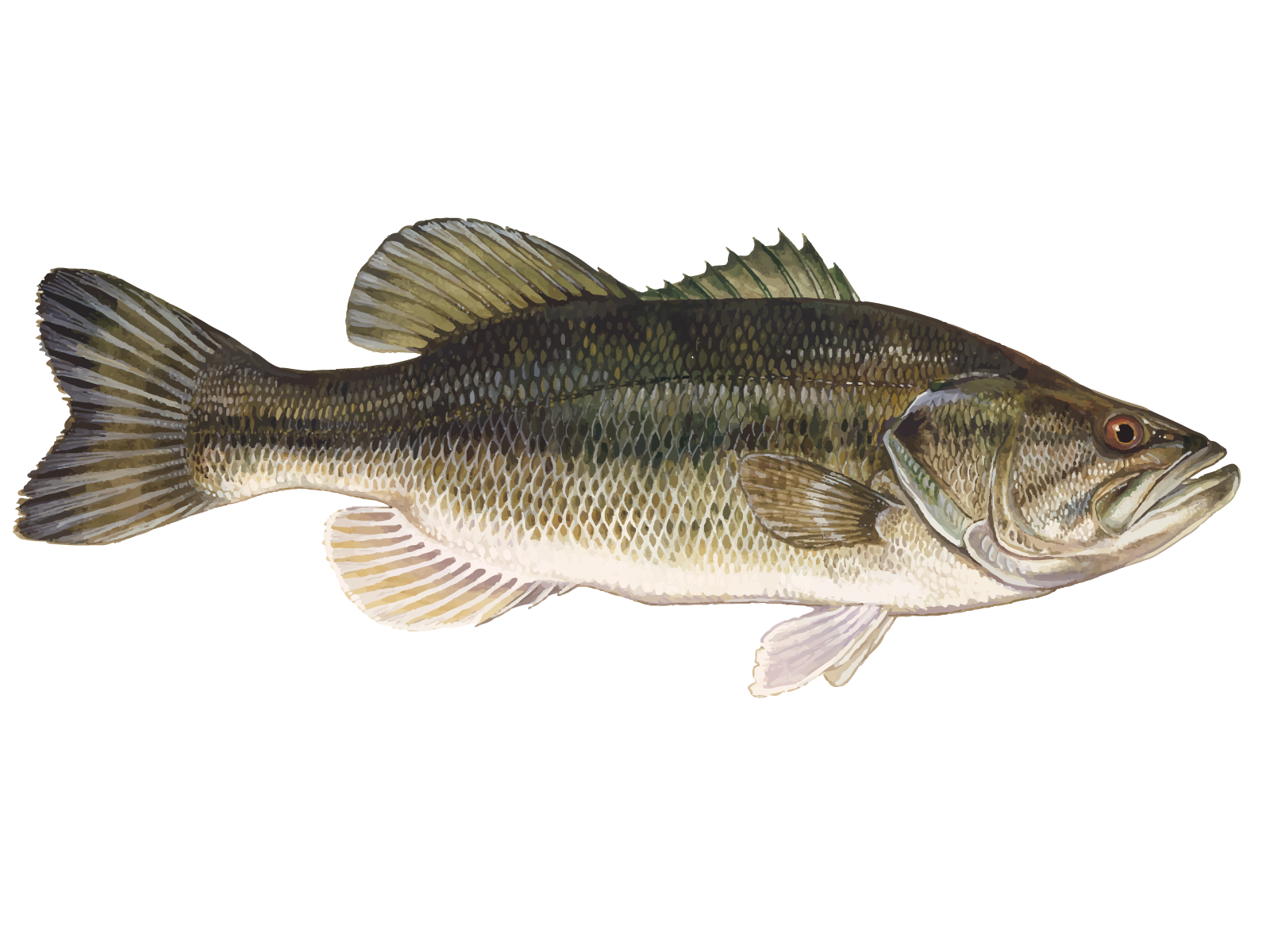 Largemouth Bass
 Muskellunge
 Northern Pike
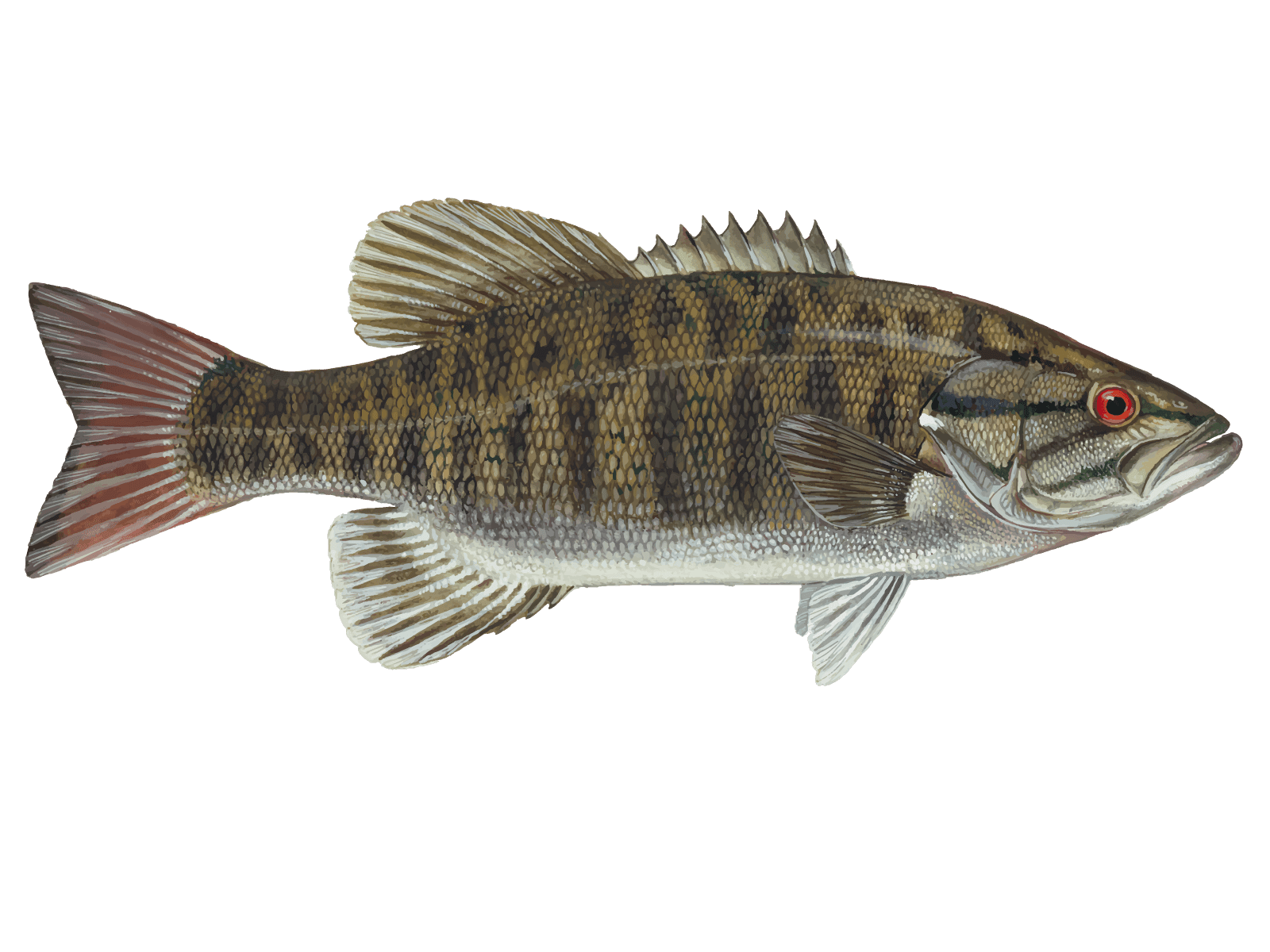
 Smallmouth Bass
- Four-hour guided float targeting trophy muskie and northern pike
- October-November prime season on St. Croix, Chippewa, and Flambeau rivers
- All tackle provided with flexible morning or afternoon departure times
Trip Pricing and Availabilities:
Wisconsin River Muskie & Pike Fall Float
When the leaves start turning and the water cools down in October and November, something special happens on Wisconsin's river systems. This is when the big predators get active, and Nick's half-day float trips put you right in the thick of the action. We're talking about a four-hour guided experience targeting trophy muskie and northern pike on some of Wisconsin's most productive waters - the St. Croix, Chippewa, and Flambeau systems. With flexible timing and a maximum of two anglers, you'll get the personalized attention that makes all the difference when you're chasing fish of a lifetime.
What to Expect on the Water
This isn't your typical summer bass trip. Fall muskie and pike fishing is a different beast entirely, and that's exactly what makes it so rewarding. Nick runs these specialized floats when the conditions are prime - those crisp October and November days when the big fish are feeding heavily before winter sets in. You can choose between morning departures at 8 a.m. or afternoon starts at 1 p.m., depending on your schedule and what the fish are telling us. The four-hour window gives you plenty of time to work productive water without feeling rushed. These river systems offer incredible diversity, from deep pools where muskie lurk to shallow flats where pike ambush baitfish. The fall cooling period triggers aggressive feeding behavior that's hard to match any other time of year. With just two anglers max, you're getting a premium experience with constant coaching and prime positioning on every cast.
Fly Rods and Light Tackle
Nick's approach centers around fly fishing techniques, which might surprise some folks, but there's a method to the madness. Fly gear lets you present large streamers and patterns that drive muskie and pike absolutely wild during the fall feed. Don't worry if you've never thrown a 10-weight for toothy critters - Nick provides all the specialized rods, reels, and terminal tackle you'll need, plus the coaching to make it work. For anglers who prefer conventional gear, light spinning and casting setups are available too. We're talking about heavy enough tackle to handle 40-plus inch fish, but still sporting enough to feel every head shake and run. The terminal tackle is key here - wire leaders, heavy tippets, and patterns that can handle the punishment these fish dish out. Nick knows which flies and lures are producing on each system, and he'll adjust the approach based on water conditions and fish behavior. The goal is putting the right presentation in front of active fish, whether that's stripping streamers through current breaks or working topwater patterns along structure.
Species You'll Want to Hook
Muskellunge are the crown jewel of these waters, and fall is absolutely the best time to target them. Wisconsin's river systems produce some true giants - fish pushing 50 inches and beyond. Muskie behavior in fall is fascinating; they move into staging areas near deep water but feed aggressively in shallows during prime periods. These fish are ambush predators with an attitude, and when they commit to a fly or lure, the explosion is something you'll never forget. The fight is pure power mixed with aerial acrobatics, and the adrenaline rush of landing a trophy muskie on fly gear is hard to beat. Peak activity happens during those overcast days with stable weather, exactly the conditions that make for comfortable floating.
Northern pike are the other main target, and they're every bit as exciting as their larger cousins. Wisconsin river pike are aggressive, numerous, and absolutely beautiful fish with their olive flanks and white-tipped fins. Fall pike fishing is phenomenal because these fish pack on weight before winter, so you're targeting chunky, healthy specimens in prime condition. Pike hit flies with reckless abandon, often following patterns right to the boat before striking at the last second. They're also more forgiving than muskie in terms of timing and presentation, which makes them perfect for anglers still learning the nuances of big predator fishing. A 30-inch river pike on a fly rod is an absolute blast, with blistering runs and impressive jumps.
Smallmouth bass round out the mix and shouldn't be overlooked during these trips. Wisconsin river smallies are bronze-backed beauties that fight way above their weight class. Fall smallmouth fishing can be spectacular when you find schools of fish feeding on baitfish in current areas. These fish are opportunistic and will readily take the same patterns you're throwing for muskie and pike, just in smaller sizes. The bonus smallmouth action often fills in the gaps between predator encounters and keeps your rod bent throughout the day. River smallmouth are incredibly strong fighters that use the current to their advantage, making even modest-sized fish feel much larger.
Largemouth bass also show up in the slower, deeper sections of these river systems, particularly in backwater areas and eddies. Fall largemouth can be surprisingly aggressive when targeting baitfish, and they'll occasionally surprise you by hitting large muskie patterns. These fish tend to be chunky and well-fed in the river environment, offering a different fight than their lake cousins. The variety of species keeps things interesting and ensures you're always catching something, even when the big predators are being finicky.
Time to Book Your Spot
Fall muskie and pike season is short but sweet, and Nick's calendar fills up fast with returning clients who know how special these trips are. The combination of trophy fish potential, beautiful fall scenery, and expert guidance makes this a top-rated experience that keeps anglers coming back year after year. You'll need a valid Wisconsin fishing license, polarized sunglasses for spotting fish, and cold-weather gear since October and November can be chilly on the water. Nick handles all the logistics and will coordinate meeting details once you're booked. Whether you're a seasoned muskie hunter or someone looking to target these legendary fish for the first time, this trip delivers the goods. The memory of your first river muskie or a personal-best pike will stay with you long after the season ends. Contact Nick to secure your dates and get ready for
Learn more about the animals
Largemouth Bass
Largemouth bass are the classic freshwater gamefish - green torpedoes with mouths big enough to swallow a softball. They typically run 2-4 pounds in our waters, with some pushing 6+. Find them around fallen trees, weed beds, and shallow bays where they ambush bluegills and frogs. Spring and fall offer the best action when they're feeding heavily in warmer shallows. Bass are pure fun - they hit hard, jump high, and always seem to have one more trick up their sleeve. The meat's decent eating from clean water. Pro tip: when fishing thick cover, don't hesitate to throw your fly right into the nastiest spot you can find. That's where the big ones live, and they'll bust through anything to grab a meal.
Muskellunge
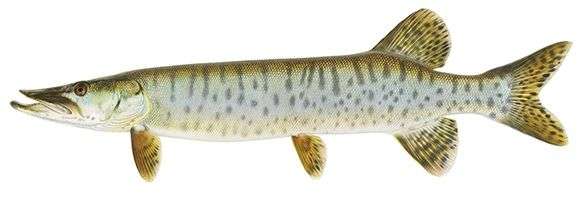
Muskellunge are the apex predators of these river systems - true giants that can stretch 4+ feet and weigh 20-40 pounds. These tigers of the water patrol deep pools, weed edges, and rocky points where they wait to ambush large prey. Fall is when they really turn on, feeding heavily before winter sets in. What makes muskie fishing special is the challenge - they're called "the fish of 10,000 casts" for good reason. When one finally hits, the fight is legendary with powerful runs and aerial displays. The anticipation keeps you sharp all day. My advice: use barbless hooks and make a figure-8 motion at boatside after each retrieve. Muskies often follow and strike right at the boat when they see that lure change direction.
Northern Pike
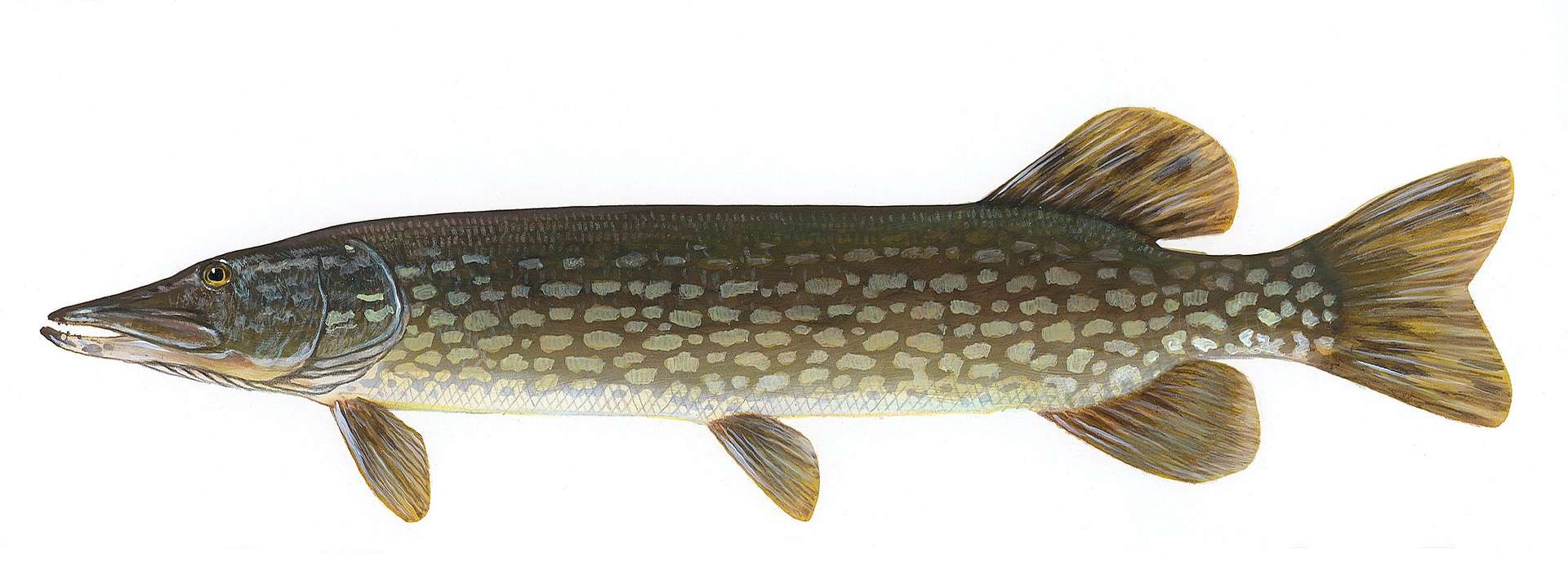
Northern pike are the river wolves - aggressive predators that lurk in weedy shallows and ambush anything that moves. These toothy fish average 24-30 inches but can push 40+ in our waters. They love weed edges, back bays, and slack water areas where they can sit motionless until prey swims by. October and November are perfect as cooling water concentrates baitfish. Pike hit like freight trains and fight dirty with head shakes and runs. Their explosive strikes make every cast exciting. Here's the key: when a pike grabs your fly, don't set the hook immediately. Count to three - they like to grab sideways first, then turn to swallow. That pause gives you a solid hookset in the corner of their mouth.
Smallmouth Bass
Smallmouth bass are scrappy fighters that'll test your skills on these Wisconsin rivers. They average 12-16 inches and pack serious punch for their size. Look for them around rocky drop-offs, boulder fields, and current breaks where they ambush crayfish and minnows. Fall fishing is prime time - cooler water temps get them feeding aggressively before winter. These bronze-backs hit hard and jump like crazy once hooked. The meat's firm and tasty if you decide to keep a few. My tip: work your fly or lure slowly along rocky structure. They'll often follow before striking, so don't be afraid to let it sit for a second when you feel that first tap.
About the River Raft
%2F%2Fusers%2Fea4215c4-27f0-4be4-9563-a4f67acf6b41%2Fvehicle_picture%2Fgemini_generated_image_ojoqm2ojoqm2ojoq-mm2nk5qa.png&w=1920&q=75)
Vehicle Guest Capacity: 3