%2Ffit-in%2F250x250%2Fguide_websites%2F119894%2Fimages%2F1772067334614upriverangler.png&w=1920&q=100)
/users/ea4215c4-27f0-4be4-9563-a4f67acf6b41/ratecard/561656656_17864792025471018_594278746512132405_n-mm2onagl.jpg)
%2F300x300%2Fusers%2Fea4215c4-27f0-4be4-9563-a4f67acf6b41%2Fratecard%2F561656656_17864792025471018_594278746512132405_n-mm2onagl.jpg&w=256&q=75)
%2F300x300%2Fusers%2Fea4215c4-27f0-4be4-9563-a4f67acf6b41%2Fimages%2Fsaint-croix-falls-fishing-boat-2319.jpg&w=256&q=75)
%2F300x300%2Fusers%2Fea4215c4-27f0-4be4-9563-a4f67acf6b41%2Fimages%2Fsaint-croix-falls-brown-trout-2651.jpg&w=256&q=75)
%2F300x300%2Fusers%2Fea4215c4-27f0-4be4-9563-a4f67acf6b41%2Fimages%2Fsaint-croix-falls-stream-fishing-2483.jpg&w=256&q=75)
%2F300x300%2Fusers%2Fea4215c4-27f0-4be4-9563-a4f67acf6b41%2Fimages%2Fsaint-croix-falls-fishing-river-2389.jpg&w=256&q=75)
%2F300x300%2Fusers%2Fea4215c4-27f0-4be4-9563-a4f67acf6b41%2Fimages%2Fchain-pickerel-saint-croix-falls-2570.jpg&w=256&q=75)
%2F300x300%2Fusers%2Fea4215c4-27f0-4be4-9563-a4f67acf6b41%2Fimages%2Fnorthern-pike-saint-croix-falls-2513.jpg&w=256&q=75)
%2F300x300%2Fusers%2Fea4215c4-27f0-4be4-9563-a4f67acf6b41%2Fimages%2Fsaint-croix-falls-muskellunge-catch-2714.jpeg&w=256&q=75)
%2F300x300%2Fusers%2Fea4215c4-27f0-4be4-9563-a4f67acf6b41%2Fimages%2Fbass-catch-saint-croix-falls-2803.jpeg&w=256&q=75)
%2F300x300%2Fusers%2Fea4215c4-27f0-4be4-9563-a4f67acf6b41%2Fimages%2Fsaint-croix-falls-northern-pike-2712.jpeg&w=256&q=75)
%2F300x300%2Fusers%2Fea4215c4-27f0-4be4-9563-a4f67acf6b41%2Fimages%2Fbrook-trout-wisconsin-fishing-2514.jpg&w=256&q=75)
St. Croix Smallmouth Bass Guided Float Trips
 St. Croix River
What you will be catching:
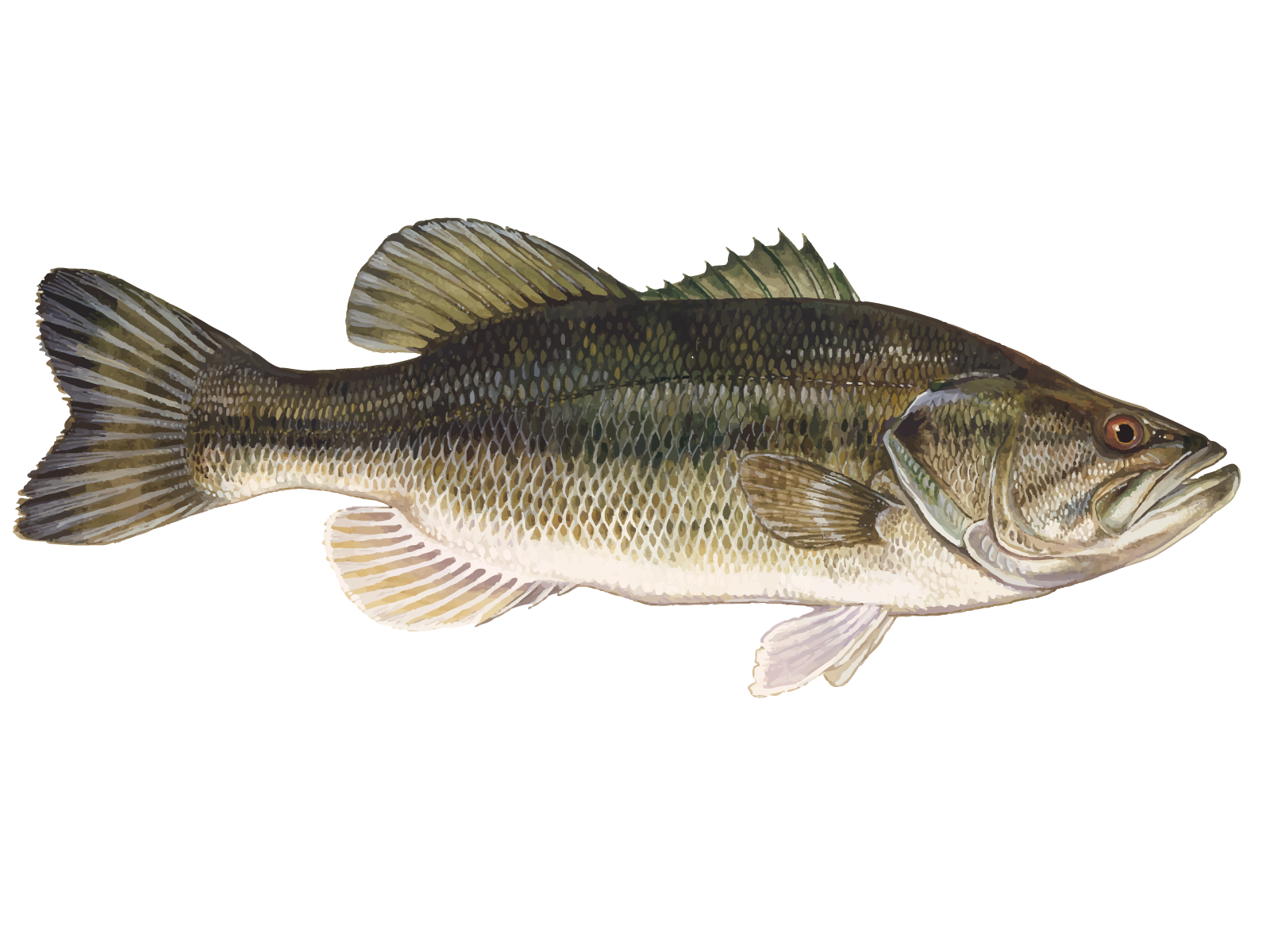 Largemouth Bass
 Muskellunge
 Northern Pike
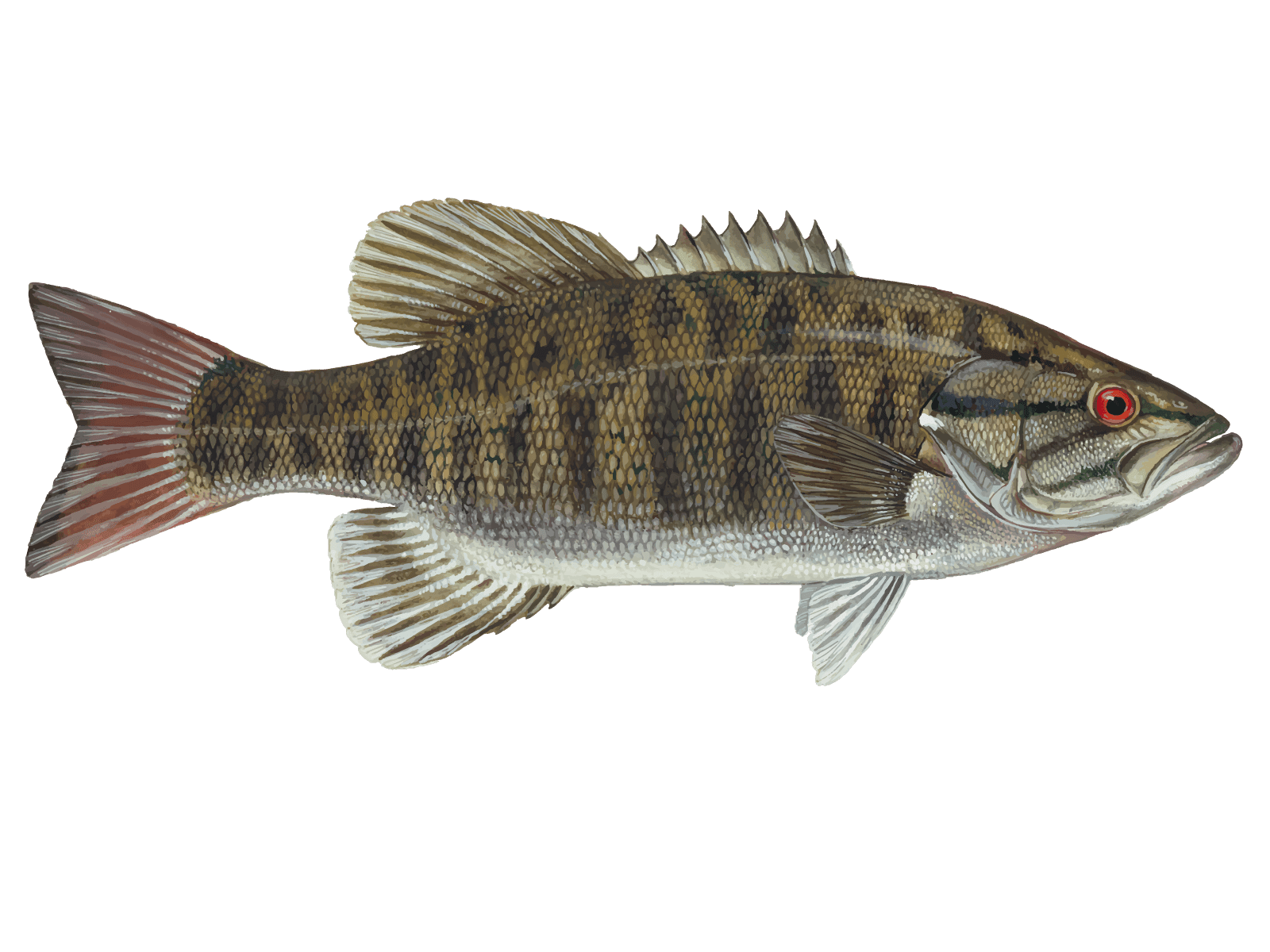
 Smallmouth Bass
- Six-hour guided float targeting smallmouth bass on premier Wisconsin rivers
- All fishing gear provided; accommodates two anglers of any skill level
- Expert instruction in fly fishing and light tackle techniques included
Trip Pricing and Availabilities:
St. Croix River Smallmouth Bass and Pike Trip
When you're looking for a solid day of fishing that won't break the bank or eat up your whole weekend, this six-hour float on Wisconsin's finest river systems hits the sweet spot. Nick's got you covered on the St. Croix, Red Cedar, and Chippewa Rivers – three of the most productive waters in the state for smallmouth bass and northern pike. Whether you're a fly fishing purist or prefer spinning gear, this top-rated guided experience adapts to your style while putting you on fish that'll make your day. Starting at 8 a.m., you'll have plenty of time to work prime water without feeling rushed, and with just two spots available, you're getting the personal attention that makes all the difference between a good day and a great one.
What to Expect on the Water
This float trip takes full advantage of Wisconsin's world-class river systems, each offering its own personality and fishing opportunities. The St. Croix River runs clean and clear, creating perfect sight-fishing conditions for smallmouth bass that love to ambush prey around rocky structure and fallen timber. The Red Cedar brings a different game entirely – its slower pools and deeper runs hold impressive northern pike that'll test your drag system. Meanwhile, the Chippewa River system offers the best of both worlds, with varied structure that supports healthy populations of smallmouth, largemouth, and the occasional muskie that'll make your heart skip a beat. Nick knows these waters like the back of his hand, reading current breaks and identifying productive structure that weekend warriors often float right past. The six-hour timeframe allows you to really work through different water types and techniques, giving you the chance to dial in what's working and capitalize on hot bites when they develop.
Fly Rods and Light Tackle
Nick's approach centers on fly fishing techniques that absolutely shine on these river systems, but don't worry if you've never stripped line before – he's equally comfortable putting spinning rods in your hands. All equipment comes included, from balanced rod and reel setups to the terminal tackle that produces results. For fly fishing, you'll be working streamers through likely holding spots, learning to read water and present flies that trigger aggressive strikes from territorial smallmouth. The visual aspect is incredible – watching a three-pound bronze back come up from eight feet of water to crush a surface fly never gets old. If conventional tackle is more your speed, Nick sets you up with light spinning gear that matches perfectly with the finesse presentations these fish demand. Soft plastics, small spoons, and topwater baits all have their place depending on conditions and fish activity. The beauty of this customer favorite trip lies in the instruction – you're not just catching fish, you're learning techniques and water-reading skills that'll serve you well on future fishing adventures.
Species You'll Want to Hook
Smallmouth bass are the bread and butter of these Wisconsin river systems, and for good reason. These bronze fighters average 12-16 inches with plenty of fish pushing into the 18-20 inch range that'll make your arms burn. Peak action typically runs from late spring through early fall, with July and August offering consistent surface action that gets your heart pumping. Smallmouth in these rivers are aggressive and territorial, often holding in current breaks behind boulders or in the slack water below fallen trees. What makes them so exciting is their acrobatic fighting style – expect multiple jumps and bulldogging runs that'll test your drag settings and reflexes.
Northern pike bring a completely different energy to the day, with their explosive strikes and impressive size potential. The Red Cedar and Chippewa systems regularly produce pike in the 24-32 inch range, with the occasional fish pushing 36 inches and beyond. These apex predators love ambush points where they can dart out from cover to hammer baitfish – or your lure. Spring and fall tend to be most productive, when cooler water temperatures have pike actively feeding in shallow areas. The thrill factor is off the charts when a 30-inch pike decides your streamer looks like an easy meal, turning a quiet moment into chaos in a heartbeat.
Largemouth bass add another dimension to the fishing, particularly in the slower pools and backwater areas where they can grow fat on crayfish and smaller fish. Wisconsin's river largemouth often run bigger than their smallmouth cousins, with fish in the 2-4 pound range being common and trophy fish always possible. They're most active during warmer months and respond well to both topwater presentations and bottom-bouncing techniques. The satisfaction of pulling a chunky largemouth out of heavy cover using light tackle creates memories that last long after the trip ends.
Muskellunge represent the wildcard species that can turn any day into a legendary one. While not the primary target, the Chippewa River system holds a renowned muskie population with fish that can exceed 40 inches. These fish of 10,000 casts are opportunistic feeders that occasionally decide a large streamer or spoon looks worth investigating. Landing a muskie on light tackle designed for bass fishing becomes an epic battle that tests both angler skill and equipment limits, creating stories you'll be telling for years.
Time to Book Your Spot
With only two spots available and Wisconsin's fishing season running strong, this trip books up quickly among anglers who know what they're looking for. You're getting six solid hours with an experienced guide who knows these river systems inside and out, all the gear you need to be successful, and instruction that'll improve your fishing whether you're a beginner or seasoned angler. The 8 a.m. start time puts you on the water during prime fishing hours, and the float format means you're constantly covering new water and staying on active fish. Don't forget your Wisconsin fishing license, polarized glasses, and whatever snacks and drinks you'll want for the day – Nick handles everything else. Contact him directly to nail down your exact meeting spot and secure your dates before someone else grabs that perfect weekend slot you've been eyeing.
Learn more about the species
Largemouth Bass
Largemouth bass are the crowd-pleasers of our river system. These chunky green fish typically run 14-18 inches and love slow water with cover - think weed beds, fallen trees, and slack water behind islands. They're most active during warmer months, especially early summer when they're post-spawn hungry. What makes largemouths fun is their willingness to hit topwater lures and their hard-pulling fights in heavy cover. They're less acrobatic than smallies but make up for it with pure muscle and determination. The white meat is mild and flaky, perfect for a fish fry. Spring and fall offer the best action when they're shallow and aggressive. Local trick: work your lure slowly through cover and be ready for that classic largemouth thump - they often inhale baits rather than smashing them like other bass species.
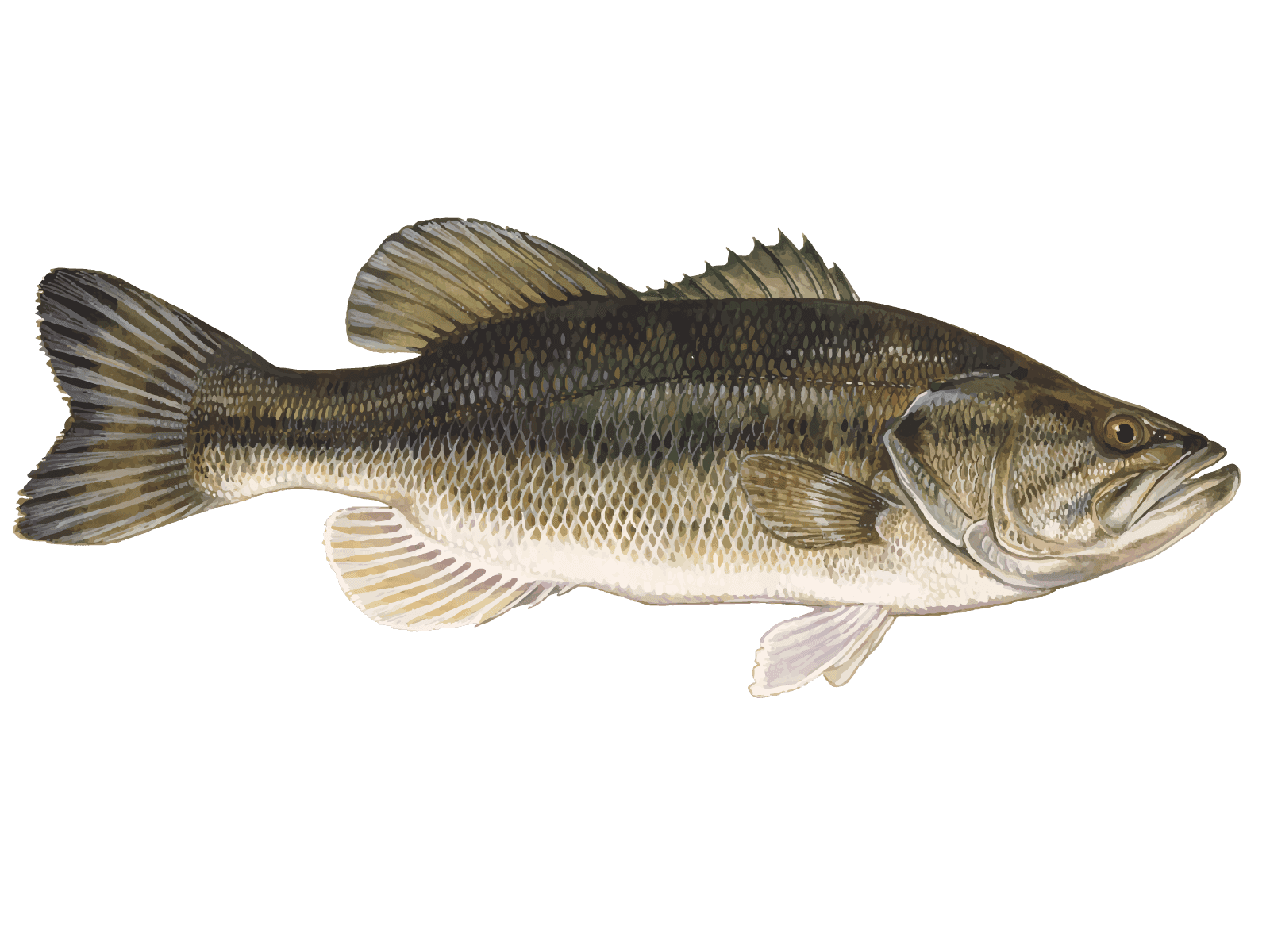
Muskellunge
Muskellunge are Wisconsin's ultimate trophy fish - the fish of ten thousand casts. These apex predators can reach 40+ inches and 20+ pounds in our waters. Muskies patrol weed edges, rocky points, and deep structure, often following baits without committing. Fall is prime time when they're feeding heavily before winter. What draws anglers is the challenge and prestige - landing a muskie is a badge of honor that takes patience and skill. Their explosive strikes and bulldogging runs will test every knot and piece of gear you have. While catch-and-release is standard, they're Wisconsin's state fish for good reason. Here's the key: always do a figure-8 at boatside, even if you don't see a follow. More muskies are caught in that final turn than anywhere else. Keep your rod tip in the water and make wide, slow turns.
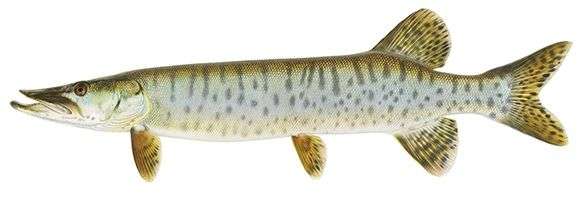
Northern Pike
Northern pike are the river's apex predators - long, lean, and loaded with attitude. These green torpedoes average 24-30 inches but can stretch past 40 in our system. Look for them hanging in weed edges, slack water, and shallow bays where they ambush prey. Spring and fall are your best bets when they're actively hunting in cooler water. Pike are pure adrenaline on the line - they'll make blistering runs and acrobatic jumps that'll get your heart pumping. Their razor-sharp teeth and aggressive strikes make every hookup memorable. The white, flaky meat is surprisingly good eating when taken from clean water. Pro tip: after the initial strike, don't horse them in too fast. Let them run a bit, then apply steady pressure. They often throw the hook if you rush the fight.
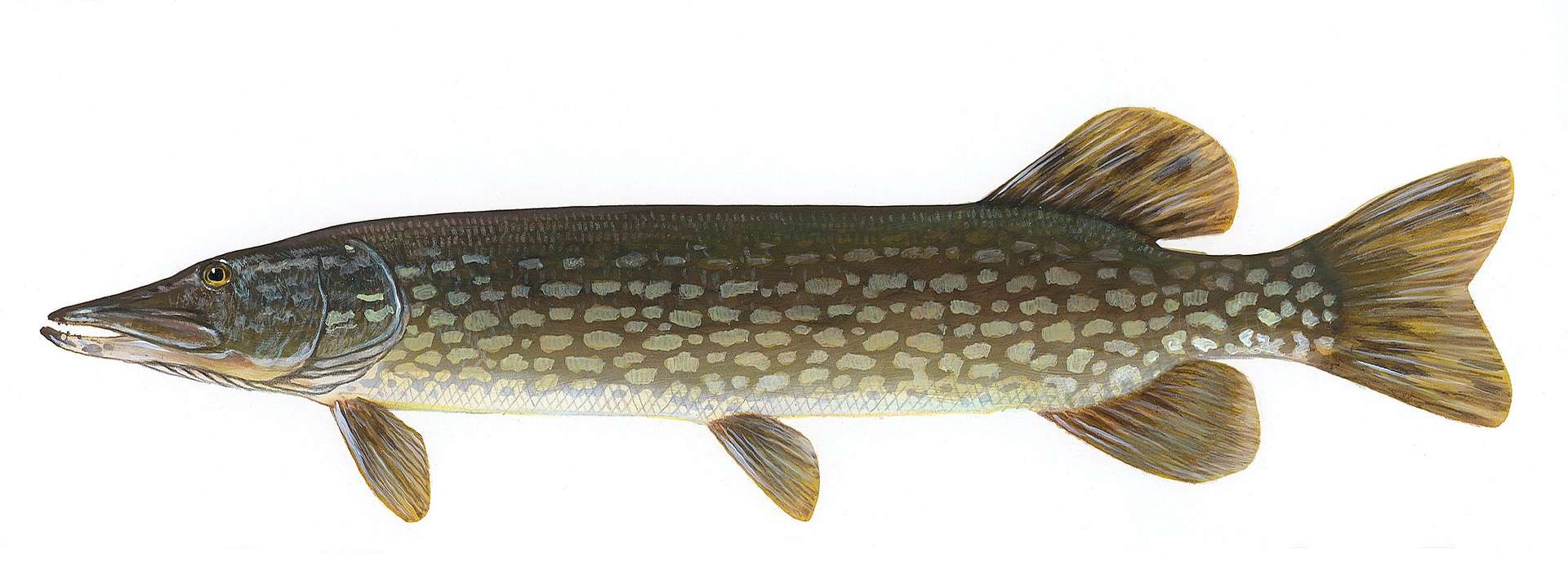
Smallmouth Bass
Smallmouth bass are the scrappy fighters of our Wisconsin rivers. These bronze-backed beauties average 12-16 inches and love rocky bottoms, current breaks, and fallen timber in clear water. They're most active spring through fall when water temps hit that sweet spot between 60-75°F. Early morning and evening are prime time. What makes smallies special is their fight - pound for pound, they're some of the strongest freshwater fish you'll tangle with. They'll jump, dive, and test your drag like nothing else. The meat's firm and tasty too, with a mild flavor that's perfect for shore lunch. Here's a local tip: when you're working structure, cast past your target and let your lure bump along the bottom back to you. Smallies often hit right as your bait bounces off that rock or log.
About the River Raft
%2F%2Fusers%2Fea4215c4-27f0-4be4-9563-a4f67acf6b41%2Fvehicle_picture%2Fgemini_generated_image_ojoqm2ojoqm2ojoq-mm2nk5qa.png&w=1920&q=75)
Vehicle Guest Capacity: 3