%2Ffit-in%2F250x250%2Fguide_websites%2F119894%2Fimages%2F1772067334614upriverangler.png&w=1920&q=100)
/users/ea4215c4-27f0-4be4-9563-a4f67acf6b41/ratecard/img_2555-mm2pr6gy.jpeg)
%2F300x300%2Fusers%2Fea4215c4-27f0-4be4-9563-a4f67acf6b41%2Fratecard%2Fimg_2555-mm2pr6gy.jpeg&w=256&q=75)
%2F300x300%2Fusers%2Fea4215c4-27f0-4be4-9563-a4f67acf6b41%2Fimages%2Fsaint-croix-falls-fishing-boat-2319.jpg&w=256&q=75)
%2F300x300%2Fusers%2Fea4215c4-27f0-4be4-9563-a4f67acf6b41%2Fimages%2Fsaint-croix-falls-brown-trout-2651.jpg&w=256&q=75)
%2F300x300%2Fusers%2Fea4215c4-27f0-4be4-9563-a4f67acf6b41%2Fimages%2Fsaint-croix-falls-stream-fishing-2483.jpg&w=256&q=75)
%2F300x300%2Fusers%2Fea4215c4-27f0-4be4-9563-a4f67acf6b41%2Fimages%2Fsaint-croix-falls-fishing-river-2389.jpg&w=256&q=75)
%2F300x300%2Fusers%2Fea4215c4-27f0-4be4-9563-a4f67acf6b41%2Fimages%2Fchain-pickerel-saint-croix-falls-2570.jpg&w=256&q=75)
%2F300x300%2Fusers%2Fea4215c4-27f0-4be4-9563-a4f67acf6b41%2Fimages%2Fnorthern-pike-saint-croix-falls-2513.jpg&w=256&q=75)
%2F300x300%2Fusers%2Fea4215c4-27f0-4be4-9563-a4f67acf6b41%2Fimages%2Fsaint-croix-falls-muskellunge-catch-2714.jpeg&w=256&q=75)
%2F300x300%2Fusers%2Fea4215c4-27f0-4be4-9563-a4f67acf6b41%2Fimages%2Fbass-catch-saint-croix-falls-2803.jpeg&w=256&q=75)
%2F300x300%2Fusers%2Fea4215c4-27f0-4be4-9563-a4f67acf6b41%2Fimages%2Fsaint-croix-falls-northern-pike-2712.jpeg&w=256&q=75)
%2F300x300%2Fusers%2Fea4215c4-27f0-4be4-9563-a4f67acf6b41%2Fimages%2Fbrook-trout-wisconsin-fishing-2514.jpg&w=256&q=75)
St. Croix Musky Bass River Float Upriver Anglers
 St. Croix River
What you will be catching:
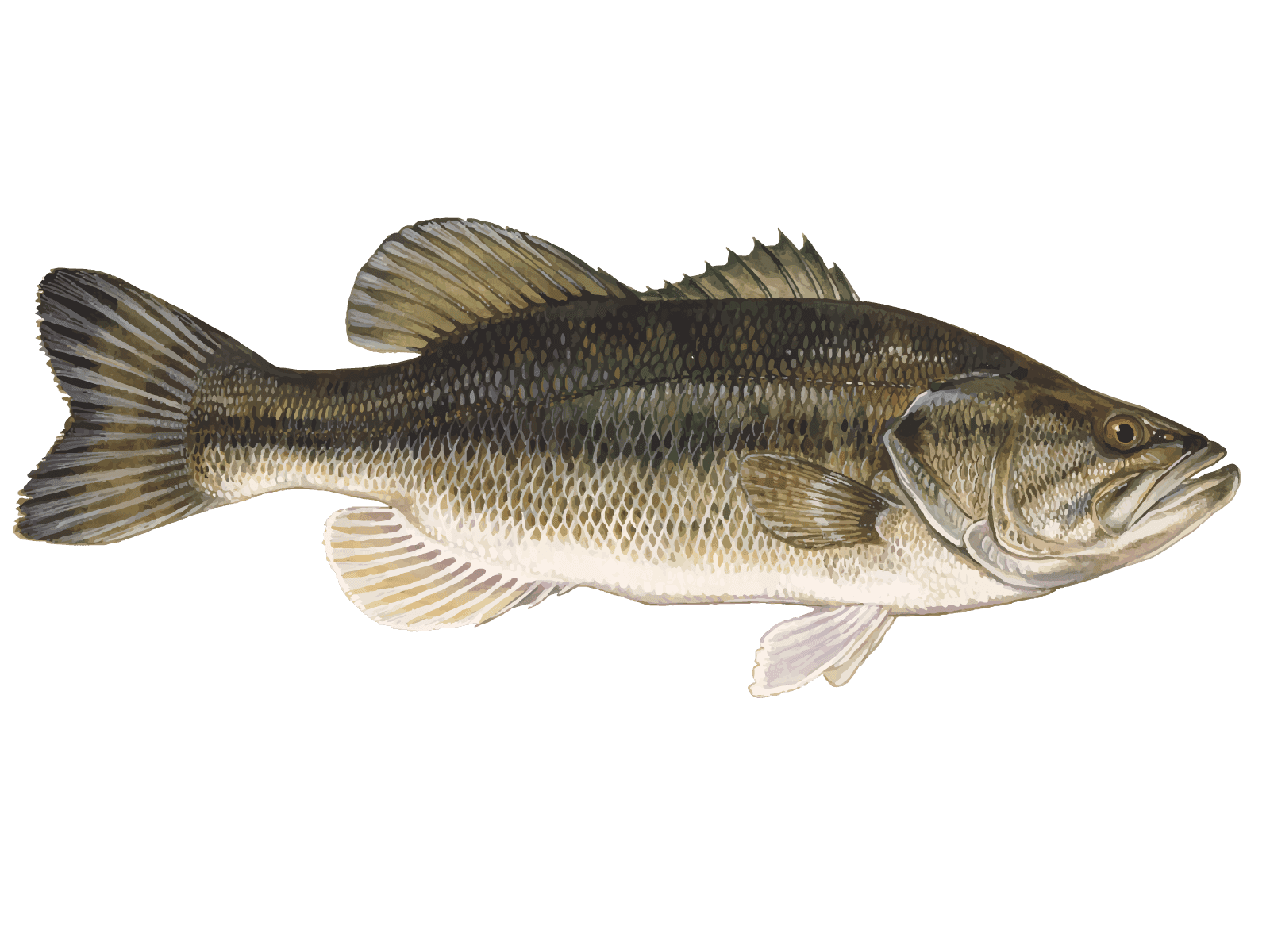
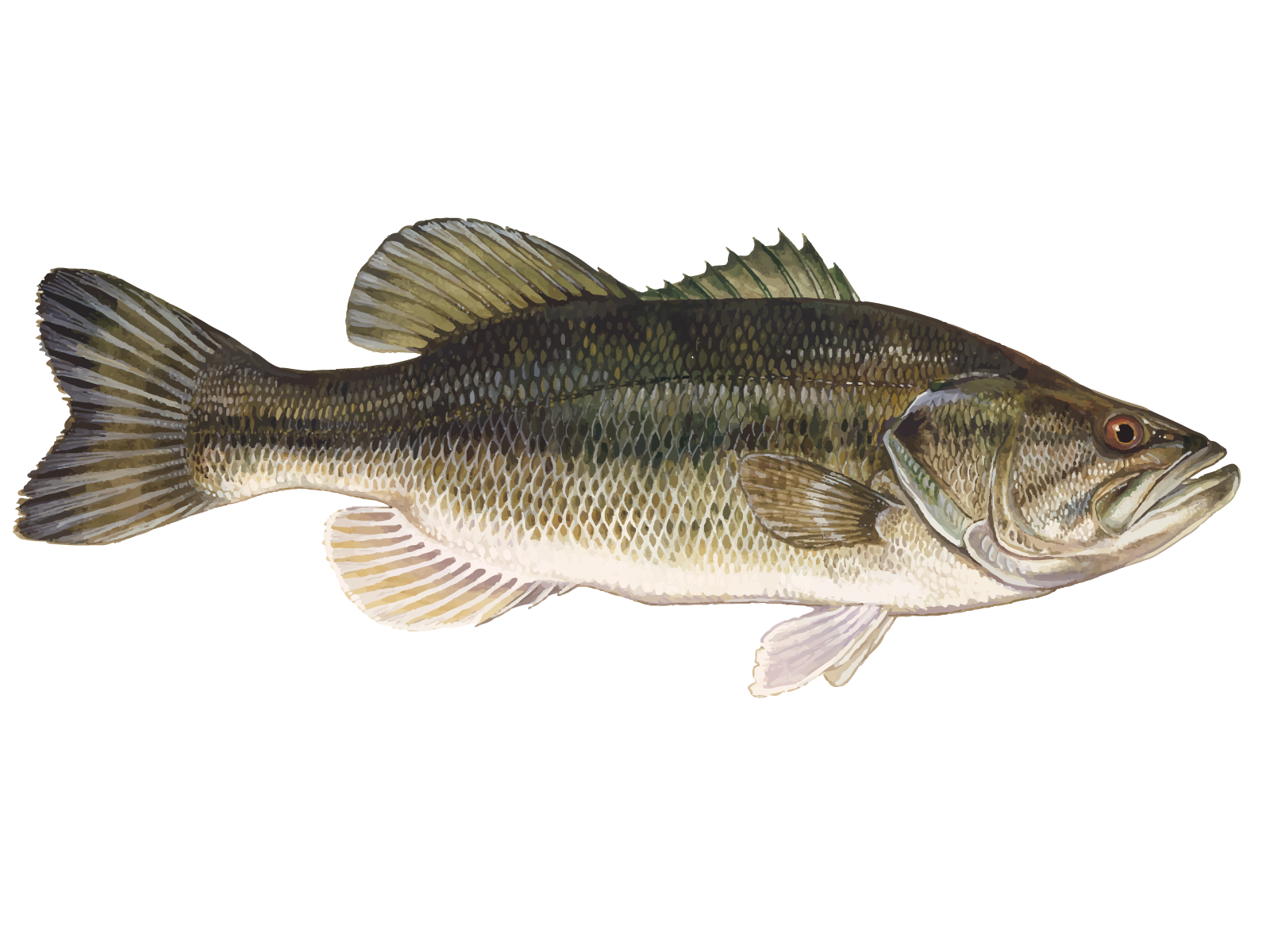 Largemouth Bass
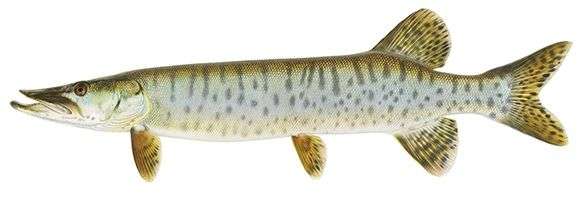
 Muskellunge
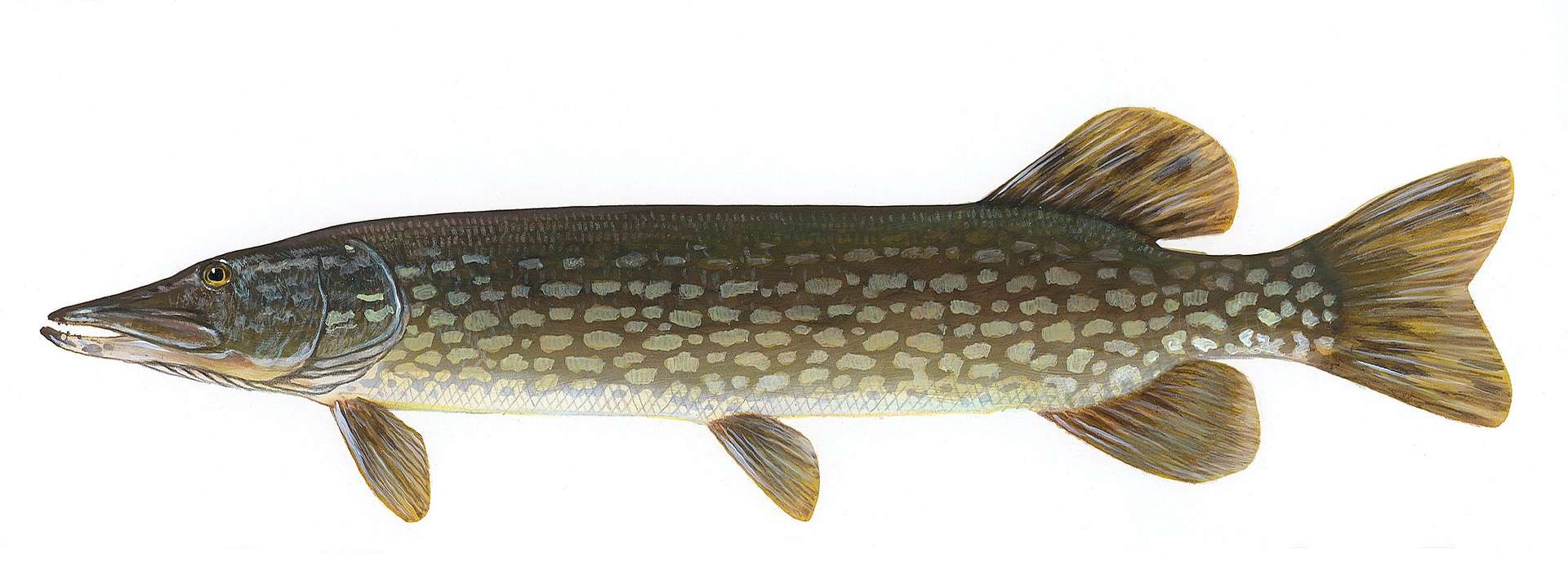
 Northern Pike
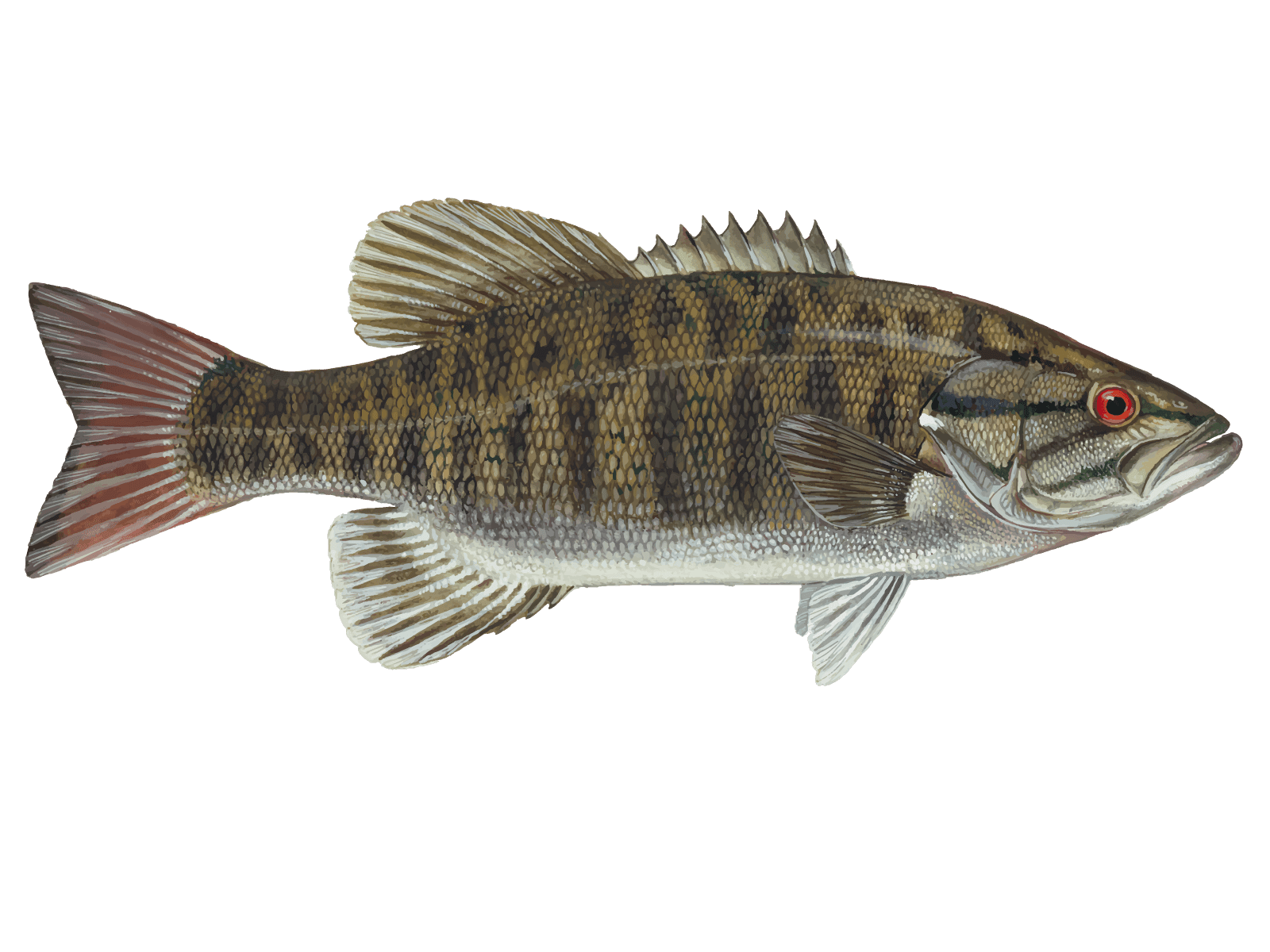
 Smallmouth Bass
- Eight-hour guided float trip on three premier Northwest Wisconsin rivers
- Expert guide provides all equipment and personalized instruction for all skill levels
- Target smallmouth bass, musky, and northern pike from specialized 14-foot rafts
Trip Pricing and Availabilities:
St. Croix River Musky and Bass Guided Float Trip
Northwest Wisconsin's St. Croix River system offers some of the finest multi-species fishing you'll find anywhere in the upper Midwest. This eight-hour float trip puts you right in the heart of prime smallmouth and musky country, where crystal-clear waters meet rocky structure and deep pools that hold trophy fish. Lead guide Nick knows these waters like the back of his hand, and he'll position you for shots at aggressive smallies, toothy pike, and the fish of 10,000 casts – muskellunge. Whether you're slinging flies or throwing conventional tackle, this top-rated adventure delivers the kind of fishing that keeps anglers coming back year after year.
What to Expect on the Water
Your day starts early with Nick at a predetermined launch spot along one of three premier watersheds – the St. Croix, Chippewa, or Red Cedar Rivers. The specific location depends on current conditions, water levels, and where the fish are most active. You'll be floating in a 14-foot Down River Equipment raft that's built for stealth and maneuverability. This isn't your typical noisy motorboat approach – the raft lets you drift silently into prime holding water without spooking fish. Nick provides all the fly fishing gear you'll need, from rods and reels to a full selection of patterns that match local hatches and baitfish. If you prefer conventional tackle, just let him know when you book and he'll have light spinning gear ready to go. The trip accommodates up to two guests, so you're not fighting crowds or waiting your turn. Nick tailors the experience to your skill level, whether you're picking up a rod for the first time or you're an experienced angler looking to dial in new techniques. Don't forget your Wisconsin fishing license – it's required for everyone on the water.
Techniques and Tackle
The beauty of float fishing these river systems lies in covering diverse water types throughout the day. You'll work everything from shallow riffles where smallmouth bass ambush crayfish to deep pools where muskies lurk in the shadows. For fly fishing, Nick typically starts guests with streamers that imitate the abundant sculpins, darters, and juvenile gamefish that make up the bulk of predator diets here. Think woolly buggers, clouser minnows, and articulated patterns that move water and trigger aggressive strikes. The raft allows for precise positioning, so you can cast tight to structure, work current seams, and present flies in ways that just aren't possible from shore. When targeting muskies, the game changes entirely. These apex predators require bigger presentations – large streamers, poppers, and even conventional lures like bucktails and jerkbaits. Nick carries wire leaders and heavy tippet because when a 40-inch musky decides to eat your fly, you want tackle that can handle the fight. The rocky structure and fallen timber that define these rivers create perfect ambush points, but they also mean you need to know how to work your presentation without hanging up on every cast.
Species You'll Want to Hook
Smallmouth bass are the backbone of fishing on these river systems, and for good reason. These bronze-backed fighters are incredibly abundant and absolutely explosive when hooked in current. Northwest Wisconsin smallies typically run 12 to 18 inches, with fish over 20 inches caught regularly by anglers who know where to look. They're most active during the warmer months from late spring through early fall, when water temperatures sit in that sweet spot between 65 and 75 degrees. What makes smallmouth so special here is their aggressive nature – they'll absolutely crush a well-presented fly or lure, often jumping multiple times during the fight. The rocky bottom and current give them every advantage, making even average-sized fish feel like monsters.
Northern pike patrol the deeper pools and slack water areas, ambushing anything that looks like an easy meal. These toothy predators regularly reach 30 inches or more in these waters, with fish over 40 inches landed each season by lucky anglers. Pike are active throughout the year but really turn on during spring and fall when water temperatures drop and their metabolism kicks into high gear. They're notorious for following lures and flies right to the boat before deciding whether to strike, which makes for some heart-stopping visual fishing. When a big pike does commit, the initial run is absolutely explosive, and their habit of jumping and thrashing makes for memorable fights and great photos.
Muskellunge represent the ultimate challenge on these waters. Known as the fish of 10,000 casts, muskies are the apex predators of the St. Croix system, with fish over 50 inches caught each year by dedicated anglers. These legendary fighters are most active during fall when water temperatures drop and they feed heavily before winter. Muskies are notorious for being moody and selective, often following presentations without striking. But when everything aligns – the right spot, the right lure, the right retrieve – a big musky strike is unlike anything else in freshwater fishing. The initial shock of the hit, followed by their powerful runs and aerial displays, creates fishing memories that last a lifetime.
Largemouth bass round out the mix, particularly in the slower, deeper sections of river where vegetation provides cover. While not as abundant as their smallmouth cousins, largemouths in these systems grow fat and healthy on the diverse forage base. They're most active during the warmest part of summer and respond well to topwater presentations during low-light periods. A big largemouth bass exploding on a surface fly in the calm of early morning is worth the price of admission alone.
Time to Book Your Spot
This world-class float fishing experience showcases everything that makes Northwest Wisconsin such a renowned destination for multi-species angling. With Nick's expert guidance, top-quality gear, and access to three of the region's best river systems, you're set up for a customer favorite adventure that delivers both action and education. The combination of abundant smallmouth bass, challenging muskies, and the stunning river scen
Learn more about the species
Largemouth Bass
Largemouth bass aren't as common as smallies in our river system, but when you find them in the right spots, they can provide some solid action. These green-backed bass prefer the slower, warmer backwaters and weedy areas where they can ambush prey with that oversized mouth. They average 12-18 inches here, with fish pushing 4-5 pounds possible in the deeper pools. Spring through early fall offers the best opportunities, especially around dawn and dusk when they move shallow to feed. What's fun about largemouth is their willingness to hit topwater baits - watching a big bass explode on a popper never gets old. They're aggressive fighters that'll jump and dig for cover once hooked. The meat's decent eating too, though many folks release them. My go-to technique for St. Croix largemouth: work soft plastics slowly along weed edges in the backwater areas. They often hold tight to cover, so get your bait right in there.
Muskellunge
Musky are the reason people develop obsessions. These apex predators can stretch over 40 inches and weigh 20+ pounds in our Wisconsin waters, making them the ultimate freshwater trophy. They patrol weed edges, rocky points, and deep structure where they can launch surprise attacks on unsuspecting prey. Fall is when musky fishing really shines - cooler water temps get them active and feeding before winter. What draws people to musky fishing is the challenge. They're called "the fish of ten thousand casts" for good reason, but when that figure-8 at the boat finally works, you'll understand the addiction. The fight is raw power - bulldogging runs that test every knot. Most guys release these beauties since they're slow-growing and important to the fishery. Pro tip: always finish your retrieves with a figure-8 beside the boat. Half my musky follows end with a strike in the last few feet.
Northern Pike
Northern pike are the river's opportunistic bullies, lurking in weedy cover waiting to ambush anything that swims by. These toothy predators typically run 20-30 inches in our waters, but don't be surprised if a 36-inch torpedo decides to test your drag. They love shallow bays, weed edges, and slack water areas during spring and early summer, moving to deeper holes when it heats up. Pike fishing stays productive all season, though spring right after ice-out can be phenomenal. What guests love about pike is the explosive strike - one second you're casting, the next your reel is screaming. They're not pretty fighters like bass, but that initial run will get your heart pumping. Plus they're fun on the table when prepared right. Here's the thing about pike: when one follows your lure to the boat, don't pull it away. Let it sit there a second - they often strike right at your feet.
Smallmouth Bass
Smallmouth bass are scrappy fighters that'll bend your rod double and jump like crazy when hooked. These bronze-backed beauties average 12-16 inches on the St. Croix, with the occasional 3-pounder showing up to make your day. They love rocky areas, current breaks, and fallen timber where they can ambush crayfish and minnows. Spring and fall fishing is prime time when they're active in shallower water during warm afternoons. Summer pushes them deeper, making early morning and evening your best bet. What makes smallies special is their attitude - pound for pound, they fight harder than most fish twice their size. The meat's firm and tasty too if you decide to keep a few. My local tip: when you feel that first head shake, keep steady pressure but don't horse them - they'll throw the hook if you get too aggressive.
About the River Raft
%2F%2Fusers%2Fea4215c4-27f0-4be4-9563-a4f67acf6b41%2Fvehicle_picture%2Fgemini_generated_image_ojoqm2ojoqm2ojoq-mm2nk5qa.png&w=1920&q=75)
Vehicle Guest Capacity: 3