%2Ffit-in%2F250x250%2Fguide_websites%2F119894%2Fimages%2F1772067334614upriverangler.png&w=1920&q=100)
/users/ea4215c4-27f0-4be4-9563-a4f67acf6b41/ratecard/498919151_17848362534471018_856958420864708s7424_n-mm2ow3sv.jpg)
%2F300x300%2Fusers%2Fea4215c4-27f0-4be4-9563-a4f67acf6b41%2Fratecard%2F498919151_17848362534471018_856958420864708s7424_n-mm2ow3sv.jpg&w=256&q=75)
%2F300x300%2Fusers%2Fea4215c4-27f0-4be4-9563-a4f67acf6b41%2Fimages%2Fsaint-croix-falls-fishing-boat-2319.jpg&w=256&q=75)
%2F300x300%2Fusers%2Fea4215c4-27f0-4be4-9563-a4f67acf6b41%2Fimages%2Fsaint-croix-falls-brown-trout-2651.jpg&w=256&q=75)
%2F300x300%2Fusers%2Fea4215c4-27f0-4be4-9563-a4f67acf6b41%2Fimages%2Fsaint-croix-falls-stream-fishing-2483.jpg&w=256&q=75)
%2F300x300%2Fusers%2Fea4215c4-27f0-4be4-9563-a4f67acf6b41%2Fimages%2Fsaint-croix-falls-fishing-river-2389.jpg&w=256&q=75)
%2F300x300%2Fusers%2Fea4215c4-27f0-4be4-9563-a4f67acf6b41%2Fimages%2Fchain-pickerel-saint-croix-falls-2570.jpg&w=256&q=75)
%2F300x300%2Fusers%2Fea4215c4-27f0-4be4-9563-a4f67acf6b41%2Fimages%2Fnorthern-pike-saint-croix-falls-2513.jpg&w=256&q=75)
%2F300x300%2Fusers%2Fea4215c4-27f0-4be4-9563-a4f67acf6b41%2Fimages%2Fsaint-croix-falls-muskellunge-catch-2714.jpeg&w=256&q=75)
%2F300x300%2Fusers%2Fea4215c4-27f0-4be4-9563-a4f67acf6b41%2Fimages%2Fbass-catch-saint-croix-falls-2803.jpeg&w=256&q=75)
%2F300x300%2Fusers%2Fea4215c4-27f0-4be4-9563-a4f67acf6b41%2Fimages%2Fsaint-croix-falls-northern-pike-2712.jpeg&w=256&q=75)
%2F300x300%2Fusers%2Fea4215c4-27f0-4be4-9563-a4f67acf6b41%2Fimages%2Fbrook-trout-wisconsin-fishing-2514.jpg&w=256&q=75)
Wisconsin River Bass Pike Half Day Upriver Anglers
 St. Croix River
What you will be catching:
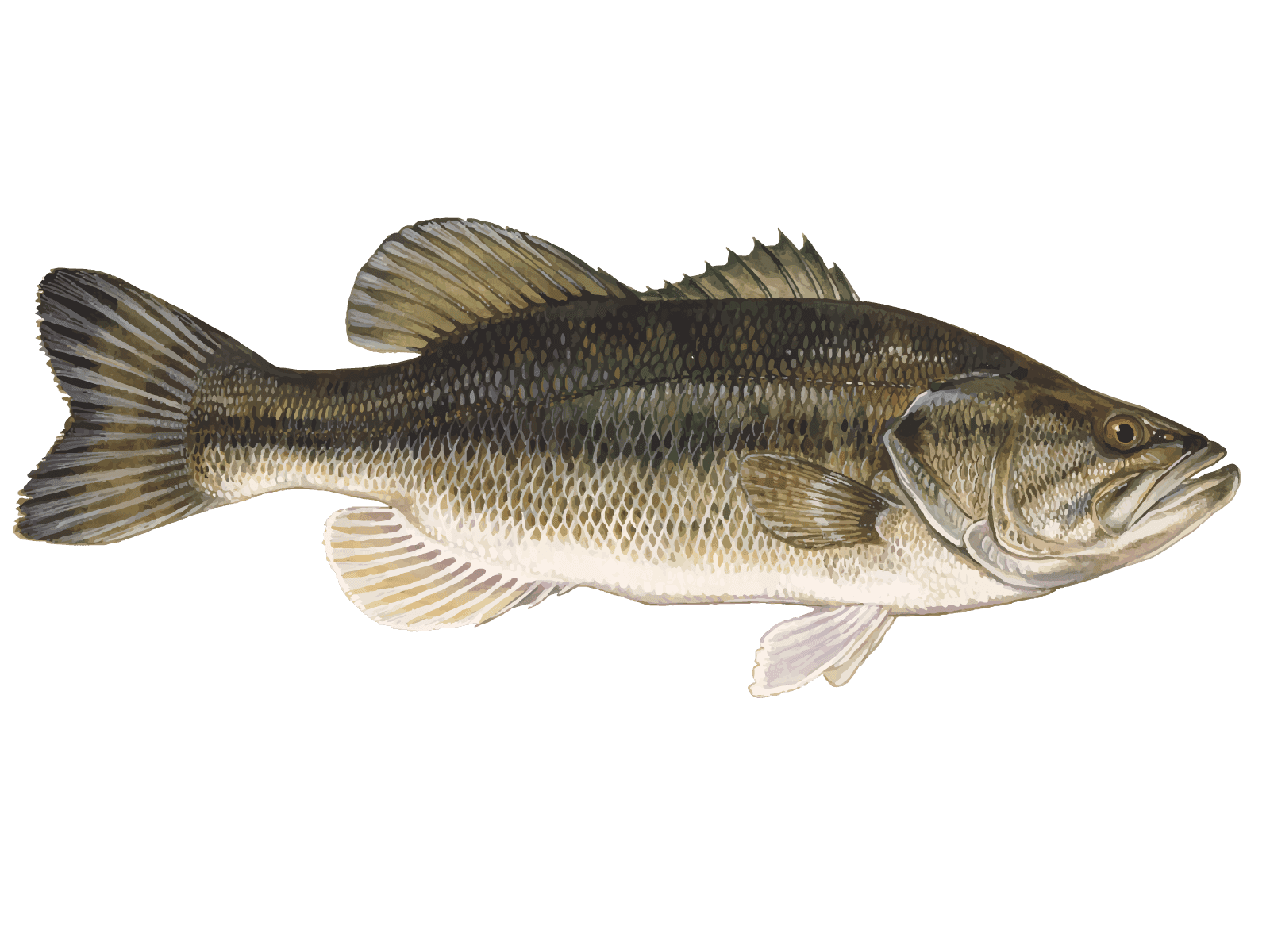
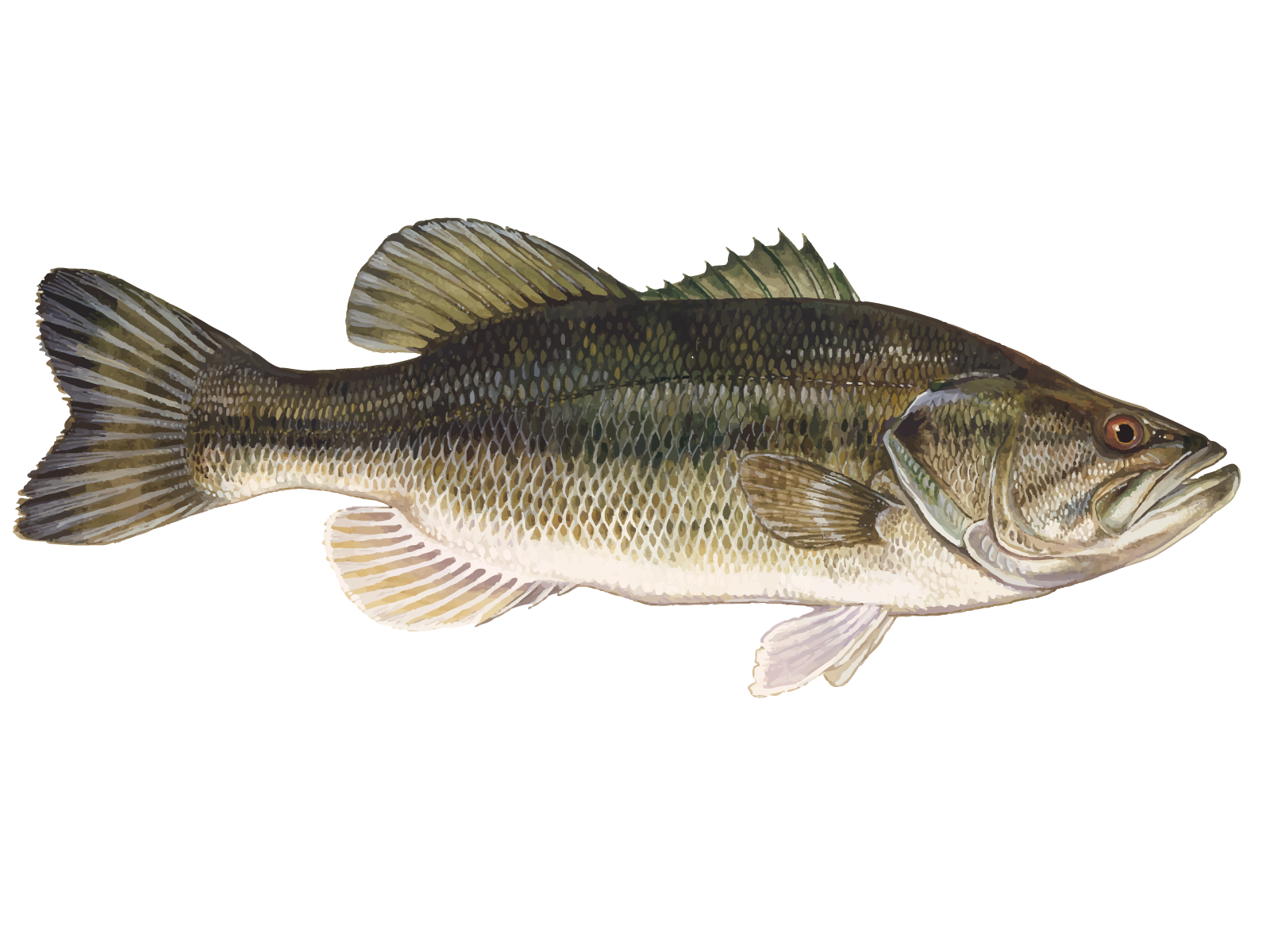 Largemouth Bass
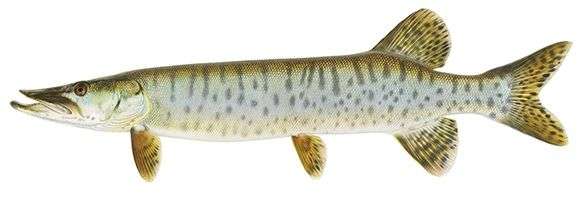
 Muskellunge
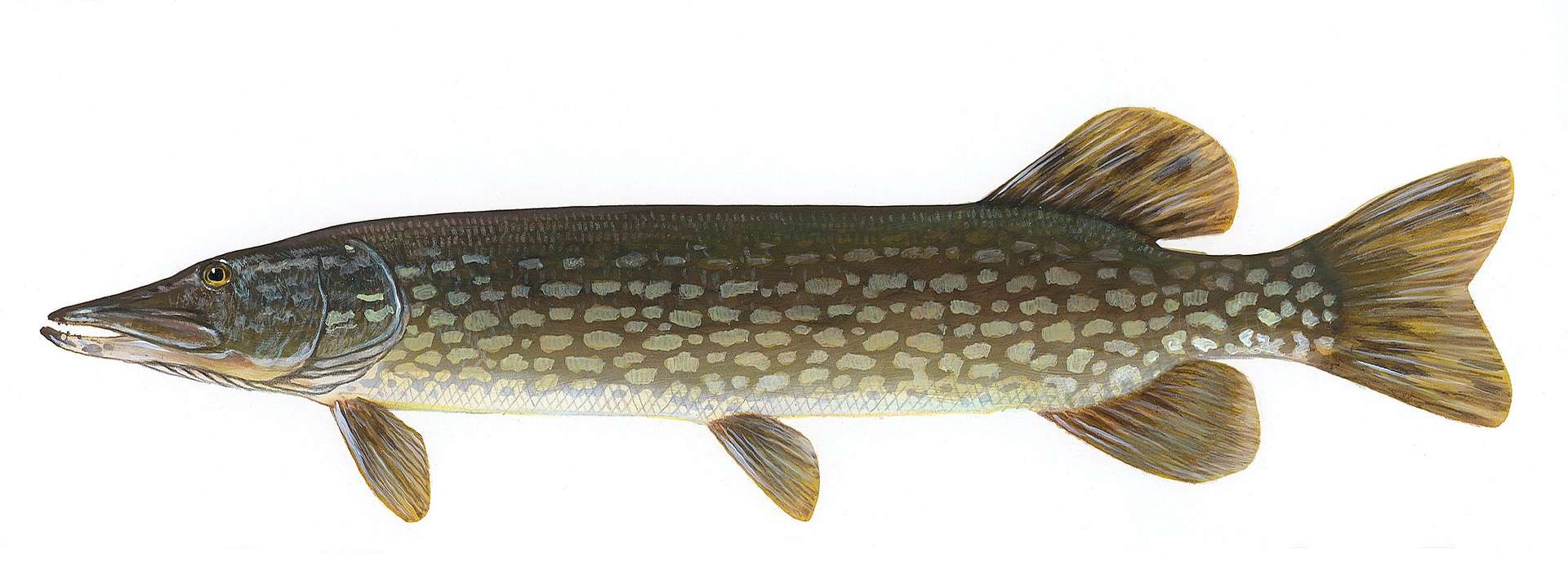
 Northern Pike
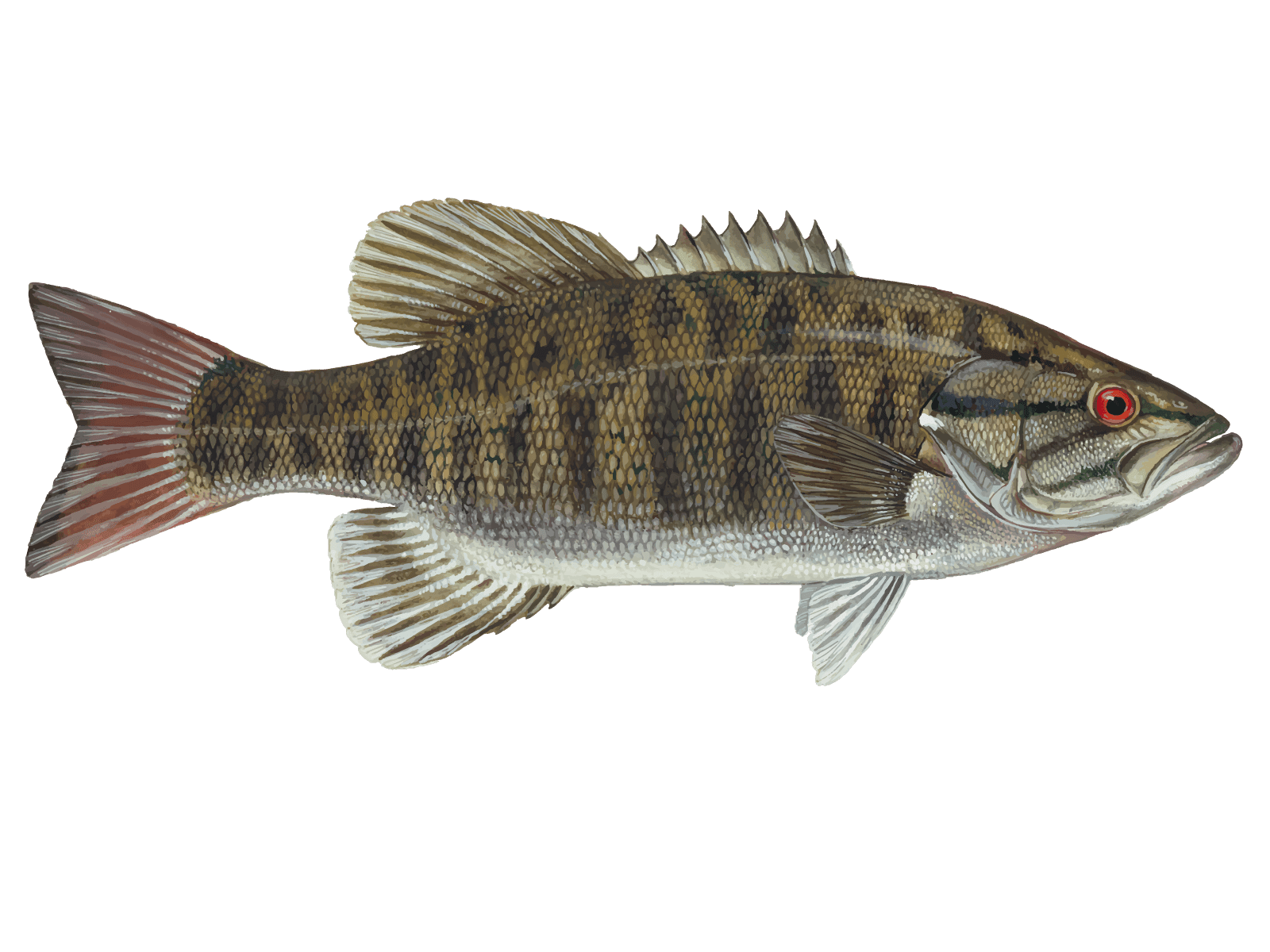
 Smallmouth Bass
- Half-day guided float trips targeting smallmouth bass and northern pike
- All equipment, instruction, and quiet 14-foot raft access provided
- Flexible morning or afternoon departure times in premier Wisconsin waters
Trip Pricing and Availabilities:
Wisconsin River Half-Day Bass & Pike Adventure
Picture yourself drifting down one of Wisconsin's premier fishing rivers in a quiet 14-foot raft, casting for hard-fighting smallmouth bass and explosive northern pike. This four-hour guided float combines the best of river fishing with professional instruction, making it perfect whether you're picking up a fly rod for the first time or you've been chasing fish for decades. We'll launch from carefully selected access points on the St. Croix, Red Cedar, or Chippewa watersheds, depending on conditions and what's biting best. The intimate two-guest maximum means you get personalized attention and plenty of elbow room to work on your technique.
What to Expect on the Water
Your half-day starts with flexible timing - choose the early bird 8 a.m. launch to beat the heat and catch the morning bite, or opt for the 1 p.m. start if you prefer a more relaxed morning. The 14-foot raft gives us the perfect platform for stealthy approaches to structure where bass love to hang out, while still having enough room to safely handle aggressive pike when they come calling. We'll focus on reading the water together - pointing out current breaks, fallen timber, and rocky drop-offs where fish like to ambush prey. The quiet drift allows us to cover miles of prime water without spooking fish, and you'll learn to spot productive water that you can fish on your own later. All fly fishing gear is provided, including rods, reels, and a selection of proven patterns, though we can also set you up with light spinning tackle if that's more your style.
Techniques & River Know-How
River fishing requires different skills than lake angling, and that's where the guided experience really pays off. We'll work on reading current seams, presenting flies and lures to structure, and handling fish in moving water. For fly fishing, expect to throw streamers like woolly buggers and clouser minnows that imitate the baitfish these predators are keyed in on. The raft positioning lets us get close to cover without the noise of a motor, so stealth and accurate casting become your best tools. Spinning gear folks will work with jigs, soft plastics, and topwater baits - there's nothing quite like a pike exploding on a buzzbait in shallow water. We'll cover mending line in current, fighting fish downstream, and safe catch-and-release techniques that keep these populations healthy for future trips. The instruction is hands-on and tailored to your experience level, so beginners feel confident while experienced anglers pick up new river-specific tactics.
Species You'll Want to Hook
Smallmouth bass are the bread and butter of these Wisconsin rivers, and for good reason. These bronze-backed fighters are pound-for-pound some of the strongest freshwater fish you'll encounter, known for their acrobatic jumps and bulldogging runs. River smallies typically range from 12 to 18 inches, with occasional specimens pushing 20 inches or better. They're most active during the warmer months from May through September, positioning themselves around rocky structure, current breaks, and fallen trees. What makes them special is their aggressive nature - they'll chase down a well-presented streamer or crush a topwater bait with authority that'll get your heart racing.
Northern pike bring the explosive action that keeps anglers coming back. These apex predators lurk in weedy bays and slack water areas, ambushing anything that looks like an easy meal. Wisconsin rivers produce pike from 24 to 40 inches regularly, with fish over 30 inches providing arm-burning fights that test your drag system. Pike are active from ice-out through fall, but the spring and early summer periods offer some of the most consistent action. They're visual hunters, so accurate casting to structure and working lures with erratic retrieves triggers their predatory instincts. The take is often violent and unmistakable - pure adrenaline.
Muskellunge represent the ultimate prize for serious anglers willing to put in the effort. These legendary fish of 10,000 casts live up to their reputation, but when you connect with one, it's a memory that lasts a lifetime. Wisconsin's river muskies can exceed 50 inches, with fish in the 40-inch range considered excellent catches. They prefer deeper pools and structure-rich areas, becoming most active during cooler periods in spring and fall. Muskie fishing requires patience and persistence, but the reward is hooking into freshwater's apex predator.
Largemouth bass round out the target species list, particularly in the slower, weedier sections of these river systems. While they might not jump like their smallmouth cousins, largemouth make up for it with powerful runs and a willingness to eat larger baits. River largemouth often relate to vegetation and slack water areas, making them perfect targets when we encounter the right habitat during our float.
Time to Book Your Spot
This top-rated Wisconsin river experience runs from mid-April through September, giving you months of prime fishing opportunity. The two-guest maximum and flexible start times mean spots fill up quickly, especially during peak season when the fishing is hottest. Remember to secure your Wisconsin fishing license before the trip, pack weather-appropriate clothing, and don't forget those polarized sunglasses - they'll help you spot fish and structure that others miss. Whether you're looking to learn new techniques, target species you've never caught, or simply enjoy a peaceful float down some of Wisconsin's most productive waters, this half-day adventure delivers the goods. Contact us for specific meeting locations and current conditions, and get ready to experience why these watersheds have built such a solid reputation among serious river anglers.
Learn more about the animals
Largemouth Bass
Largemouth bass are the river's most adaptable predators, averaging 12-16 inches with that distinctive huge mouth that extends past their eyes. These olive-green fighters love slow, weedy water - backwater sloughs, shallow bays, and anywhere there's cover like fallen logs or thick vegetation. They're warm-water fish, so late spring through early fall is prime time, especially during overcast days or low-light periods. What makes largemouth great targets is their willingness to hit topwater lures, creating explosive surface strikes that'll get your heart pumping. They're also excellent table fare with mild, flaky white meat. Unlike their smallmouth cousins, largemouth prefer to ambush prey rather than chase it down. Here's a local secret: during summer heat, work the shady side of structure with soft plastics rigged weedless - that's where the big ones hide waiting for an easy meal.
Muskellunge
Muskellunge are the holy grail of freshwater fishing - massive, elusive, and absolutely brutal when hooked. These giants can reach 4-6 feet and 30+ pounds, sporting dark bars or stripes on a greenish body. Muskies patrol weed edges, rocky points, and deeper structure, often following baits for what feels like forever before deciding to strike. Late fall is prime muskie time when they're feeding heavily before winter. What draws anglers to muskies isn't just their size - it's the challenge. They're called "the fish of ten thousand casts" for good reason. When one finally hits, the fight is legendary with aerial displays and powerful runs. These fish demand heavy tackle and patience. My go-to trick: always do a figure-eight at the boat even if you don't think anything's following - muskies love to appear out of nowhere right at your feet.
Northern Pike
Northern pike are the river's apex predators - long, mean, and built for ambush hunting. These toothy critters average 2-3 feet but can push 4 feet or more, with that classic olive-green body covered in yellowish spots. You'll find them lurking in weedy bays, around fallen timber, and near drop-offs where they can surprise their next meal. They're most active during cooler months - spring and fall are best, though early morning and late evening work well in summer. Pike are pure aggression on the end of your line, making explosive runs and jumping like crazy. They'll eat just about anything that moves. The key to landing pike is using a steel leader - those razor-sharp teeth will cut through regular line in a heartbeat. When working pike water, fish your lures fast and erratic to trigger their predatory instincts.
Smallmouth Bass
Smallmouth bass are scrappy fighters that average 12-18 inches and put up a hell of a fight for their size. These bronze-backed beauties love rocky bottoms and clear water - you'll find them hanging around boulders, drop-offs, and gravel bars throughout our river systems. They're most active during the cooler parts of the day, especially early morning and evening. Spring and fall are prime time when they're in shallow water, but summer pushes them deeper where it's cooler. What makes smallmouth special is their attitude - pound for pound, they're some of the strongest fighters you'll hook. They eat well too, with firm white meat that's perfect for the table. Pro tip: when you're working rocky areas, let your jig or tube bait hit bottom and bounce it slowly - smallmouth can't resist that crawfish imitation.
About the River Raft
%2F%2Fusers%2Fea4215c4-27f0-4be4-9563-a4f67acf6b41%2Fvehicle_picture%2Fgemini_generated_image_ojoqm2ojoqm2ojoq-mm2nk5qa.png&w=1920&q=75)
Vehicle Guest Capacity: 3