%2Ffit-in%2F250x250%2Fguide_websites%2F119894%2Fimages%2F1772067334614upriverangler.png&w=1920&q=100)
/users/ea4215c4-27f0-4be4-9563-a4f67acf6b41/ratecard/img_0123-mm2p8b9u.jpeg)
%2F300x300%2Fusers%2Fea4215c4-27f0-4be4-9563-a4f67acf6b41%2Fratecard%2Fimg_0123-mm2p8b9u.jpeg&w=256&q=75)
%2F300x300%2Fusers%2Fea4215c4-27f0-4be4-9563-a4f67acf6b41%2Fimages%2Fsaint-croix-falls-fishing-boat-2319.jpg&w=256&q=75)
%2F300x300%2Fusers%2Fea4215c4-27f0-4be4-9563-a4f67acf6b41%2Fimages%2Fsaint-croix-falls-brown-trout-2651.jpg&w=256&q=75)
%2F300x300%2Fusers%2Fea4215c4-27f0-4be4-9563-a4f67acf6b41%2Fimages%2Fsaint-croix-falls-stream-fishing-2483.jpg&w=256&q=75)
%2F300x300%2Fusers%2Fea4215c4-27f0-4be4-9563-a4f67acf6b41%2Fimages%2Fsaint-croix-falls-fishing-river-2389.jpg&w=256&q=75)
%2F300x300%2Fusers%2Fea4215c4-27f0-4be4-9563-a4f67acf6b41%2Fimages%2Fchain-pickerel-saint-croix-falls-2570.jpg&w=256&q=75)
%2F300x300%2Fusers%2Fea4215c4-27f0-4be4-9563-a4f67acf6b41%2Fimages%2Fnorthern-pike-saint-croix-falls-2513.jpg&w=256&q=75)
%2F300x300%2Fusers%2Fea4215c4-27f0-4be4-9563-a4f67acf6b41%2Fimages%2Fsaint-croix-falls-muskellunge-catch-2714.jpeg&w=256&q=75)
%2F300x300%2Fusers%2Fea4215c4-27f0-4be4-9563-a4f67acf6b41%2Fimages%2Fbass-catch-saint-croix-falls-2803.jpeg&w=256&q=75)
%2F300x300%2Fusers%2Fea4215c4-27f0-4be4-9563-a4f67acf6b41%2Fimages%2Fsaint-croix-falls-northern-pike-2712.jpeg&w=256&q=75)
%2F300x300%2Fusers%2Fea4215c4-27f0-4be4-9563-a4f67acf6b41%2Fimages%2Fbrook-trout-wisconsin-fishing-2514.jpg&w=256&q=75)
Wisconsin Muskie Pike River Trips Upriver Anglers
 St. Croix River
What you will be catching:
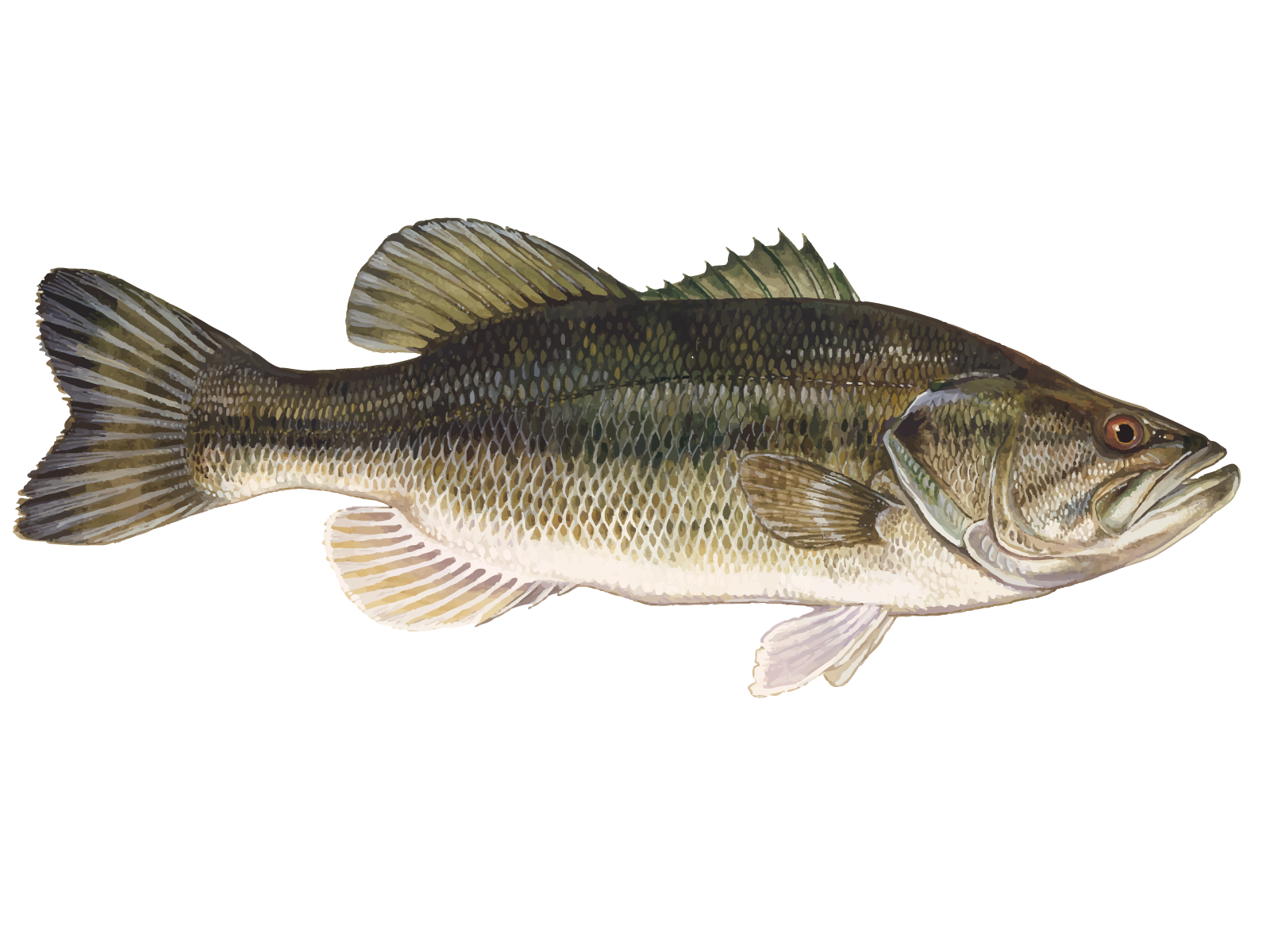 Largemouth Bass
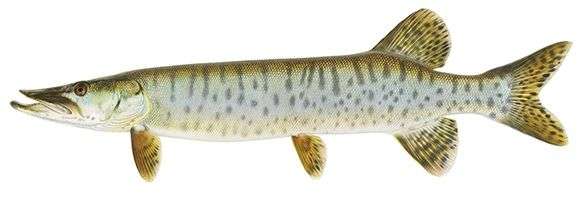
 Muskellunge
 Northern Pike
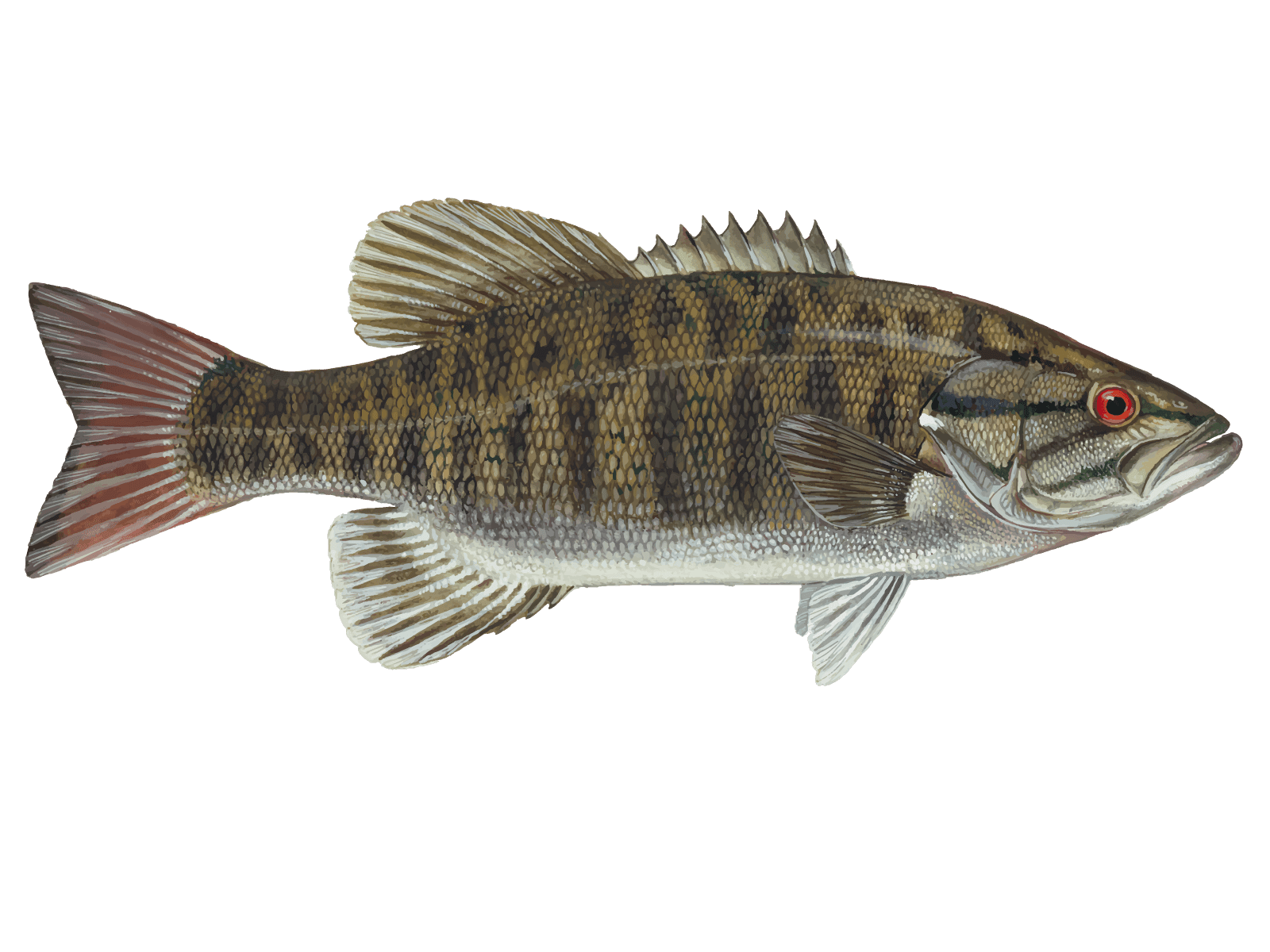
 Smallmouth Bass
- Six-hour guided muskie and northern pike targeting trip
- Professional equipment provided for all skill levels
- Prime October-November timing during peak feeding periods
Trip Pricing and Availabilities:
Wisconsin Fall Muskie Hunt - Top-Rated Guide
October and November in Wisconsin mean one thing for serious anglers - prime time muskie and pike action on some of the state's most productive waters. Nick's six-hour guided float trips on the St. Croix, Chippewa, and Flambeau River systems put you right where the big fish are feeding before winter sets in. This isn't your typical leisurely river float - we're talking about serious fishing with a guide who knows every productive stretch, current break, and structure that holds trophy fish during this crucial fall window.
What to Expect on the Water
Your day starts at 8 a.m. sharp, and there's good reason for the early start. Fall muskie and pike are most active during morning hours when water temperatures are stable and baitfish are moving. Nick's 14-foot raft gives us a huge advantage over bigger boats - we can slip into shallow water structure and back eddies where the giants like to ambush prey. The raft moves quietly through these river systems, letting us work productive water without spooking fish that have seen plenty of pressure during the season. Whether you're a fly fishing purist or prefer conventional tackle, Nick has you covered with professional-grade equipment. The trip accommodates up to two anglers, so you won't be fighting for casting room or premium spots. Just bring your valid Wisconsin fishing license, pack some snacks since meals aren't included, and dress for changing fall weather - October and November can surprise you with everything from warm afternoons to sudden cold snaps.
River Tactics & Techniques
These three river systems each offer different fishing scenarios, and Nick adjusts tactics based on current conditions and fish behavior. On the St. Croix, we'll work deeper pools and current seams where muskie stage before moving to winter haunts. The Chippewa's rocky structure and fallen timber create perfect ambush points for both muskie and pike. The Flambeau system offers a mix of deep holes and shallow flats that concentrate baitfish during the fall migration. Fly fishing is the primary method, with Nick providing everything from heavy sinking lines to massive streamers that trigger aggressive strikes. If you're more comfortable with conventional gear, spinning and baitcasting setups are available - sometimes a big bucktail or jerkbait is exactly what these fish want. The key to fall success is covering water efficiently while hitting every piece of structure that could hold fish. Nick's local knowledge means we're not wasting time on empty water - every stop has produced fish in the past.
Species You'll Want to Hook
Muskellunge are the apex predator of these river systems and the primary target during fall trips. Wisconsin muskie grow fat and aggressive in October and November, feeding heavily before winter dormancy. These fish average 36 to 42 inches in these waters, with legitimate 50-inch giants caught every season. Muskie behavior changes dramatically in fall - they move from summer structure to deeper wintering areas, creating opportunities to intercept them during this migration. What makes muskie fishing so addictive is their explosive strikes and aerial displays. When a 40-inch muskie crashes your fly or lure, there's nothing quite like it in freshwater fishing.
Northern Pike are equally exciting targets and often more cooperative than their muskie cousins. Fall pike are thick-bodied and aggressive, with fish in the 28 to 35-inch range common throughout these systems. Pike stage in shallow bays and creek mouths during fall, making them perfect targets for the light tackle approach. They hit hard and fight dirty, using every trick including jumps, head shakes, and long runs toward cover. Pike are also more likely to provide consistent action when muskie are being finicky, keeping the excitement level high throughout the day.
Smallmouth Bass might not be the primary target, but fall smallies in these rivers are world-class fish that fight like they're twice their size. October and November smallmouth are in prime condition, with fish in the 15 to 18-inch range providing rod-bending action on lighter tackle. They school up in deeper pools during fall, and when you find them, the action can be fast and furious. Smallmouth add variety to the trip and keep things interesting between muskie encounters.
Largemouth Bass round out the species mix, particularly in the backwater areas and sloughs connected to these river systems. Fall largemouth are feeding heavily on baitfish and crayfish, making them aggressive targets for the same presentations we're using for muskie and pike. While they might not reach the size of their lake-dwelling cousins, river largemouth are scrappy fighters that know how to use current and structure to their advantage.
Time to Book Your Spot
Fall muskie and pike trips fill up fast for good reason - this is when trophy fish are most active and catchable. The seasonal nature of these October and November trips means your window is limited, and weather can impact available dates. Nick's reputation for putting clients on fish speaks for itself, and his knowledge of the St. Croix, Chippewa, and Flambeau systems is unmatched. Whether you're a seasoned muskie hunter or looking to tangle with your first northern pike, this six-hour adventure delivers the kind of fishing memories that last a lifetime. Contact Nick directly to secure your dates and confirm the meeting location - prime fall dates disappear quickly, and you don't want to miss Wisconsin's best muskie and pike action of the year.
Learn more about the animals
Largemouth Bass
Largemouth bass in these river systems typically run 12-18 inches with that classic big mouth and dark horizontal stripe. They favor slower water with cover - backwater eddies, fallen timber, and weed beds are prime spots. Spring and fall offer the best action when they're actively feeding in shallower water. Largemouth are popular because they hit hard, jump often, and are relatively forgiving for newer anglers to target. They're also excellent eating with firm, mild meat. These fish respond well to surface flies and streamers worked around structure. The key is to fish slow and deliberate - they like to study their prey before committing. Try poppers early morning or late evening when they're cruising the shallows for frogs and insects.
Muskellunge
Muskellunge are the apex predator in these waters - true trophy fish that can reach 4+ feet and 30+ pounds. Look for them around deep weed edges, rocky points, and where current meets still water. Fall is prime muskie season as water temps drop and they become more active hunters. These fish are legendary for their power and acrobatics when hooked - they'll test every knot and your drag system. Landing a muskie is a career highlight for most anglers. They're ambush feeders that follow lures for long distances before striking, so patience pays off. My go-to technique: work large streamers with a figure-8 motion at boatside - many follows turn into strikes right at the raft. Use barbless hooks and heavy tippet - these fish deserve quick, clean releases.
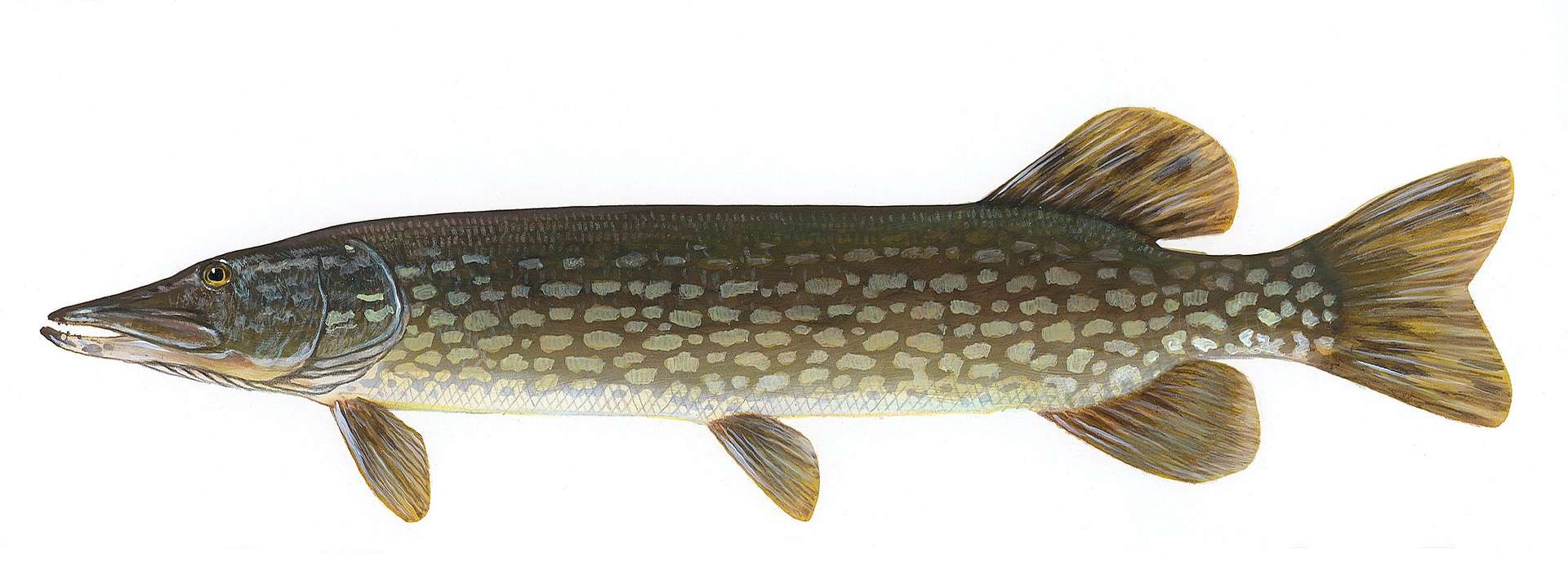
Northern Pike
Northern pike are the river's ambush predators, averaging 2-3 feet with those signature sharp teeth and lean bodies. They hang out in weedy backwaters, slack pools, and anywhere baitfish gather. October and November are prime time - they're actively feeding before ice-up and less spooky in cooler water. Pike are pure excitement on the line with sudden bursts of speed and aerial displays. Their aggressive nature means they'll hit big streamers and poppers with authority. While not everyone eats them, pike are actually decent table fare if you know how to deal with the Y-bones. Pro tip: use a steel leader or heavy tippet - those teeth will slice through regular line like butter. Work your fly with erratic strips to trigger their predatory instincts.
Smallmouth Bass
Smallmouth bass are scrappy fighters that run 12-20 inches in these river systems, with bronze-colored bodies and dark vertical bars. They love rocky bottoms and current breaks - look for them around boulders, fallen trees, and deeper pools. Fall fishing can be outstanding as they feed heavily before winter, making them aggressive on flies and small lures. What makes smallmouth special is their fight - pound for pound, they're some of the strongest fish you'll hook. They jump, run, and never give up easy. The meat's firm and tasty too if you decide to keep a few. Local tip: cast upstream of structure and let your fly drift naturally into the pocket behind rocks - that's where they're waiting.
About the River Raft
%2F%2Fusers%2Fea4215c4-27f0-4be4-9563-a4f67acf6b41%2Fvehicle_picture%2Fgemini_generated_image_ojoqm2ojoqm2ojoq-mm2nk5qa.png&w=1920&q=75)
Vehicle Guest Capacity: 3